10 Superfoods for Baby to Try When Starting Solids
-UHSIgZ.jpg&w=3840&q=75)
Superfoods are nutrient-rich and amazing for Baby’s development!
Baby can try superfoods once they are ready for solids, which is typically around 6 months.
These superfoods make great purees, but they can also be served mashed or in small, baby-safe portions.
As Baby starts to eat more solids, you’re going to want to give them the most nutrient-packed foods possible, aka, superfoods for babies! Superfoods are loaded with nutrients that promote development and are healthy and safe for babies. And they are perfect for purees or first finger foods!
When to Introduce Baby to Superfoods
Before you get out your grocery list, make sure Baby is ready for solids! It’s important to check with Baby’s healthcare provider first. But typically, babies are ready to begin solids when they can hold their head up on their own and sit up while supported, around 6 months.
10 Superfoods for Baby to Try
While these superfoods make great purees for babies, they can also be served mashed or in small, baby-safe portions so Baby doesn't choke. Talk to their healthcare provider if you are unsure about safe solids for your baby's specific abilities.
1. Beans
Nutrients: Fiber, iron, folate, zinc, magnesium protein, vitamin B
Benefits: Support muscle growth, brain development, digestion, and healthy cells.
Preparation: Drain and rinse (canned) or cook until soft. Puree or mash.
2. Watermelon
Nutrients: Antioxidants, vitamins A and C, potassium
Benefits: Hydrates, boosts immunity, supports vision and cell protection.
Preparation: Remove seeds if needed. Puree or cut into baby-safe chunks.
3. Carrots
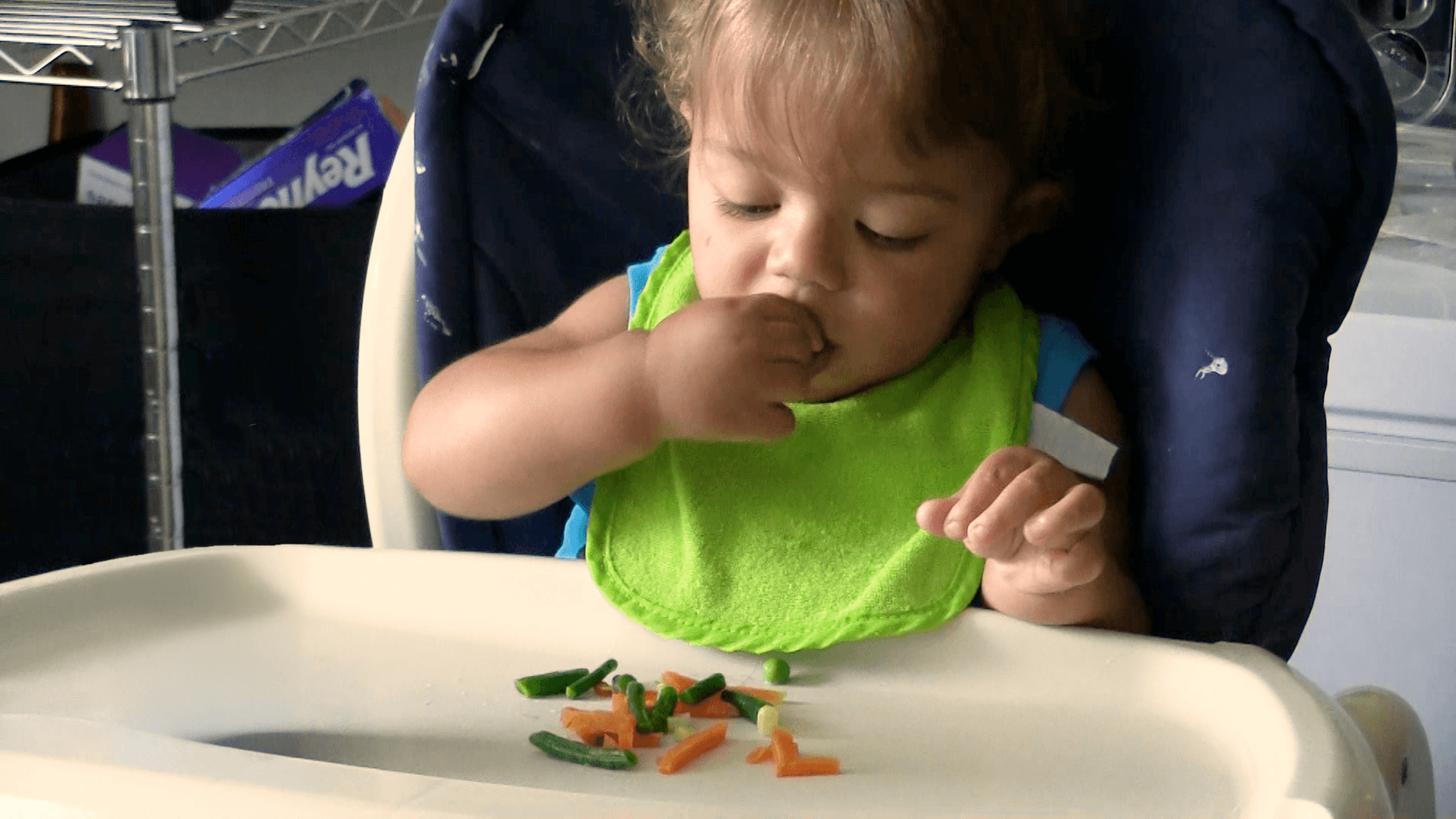
Nutrients: Beta-carotene, potassium, fiber, vitamin K1
Benefits: Promote eye health, immunity, digestion, and cell protection.
Preparation: Steam/roast until soft, then puree or cut into soft sticks.
4. Sweet Potatoes
Nutrients: Beta-carotene, potassium, fiber, vitamins B6 and C
Benefits: Support eye health, iron absorption, immunity, and provide long-lasting energy.
Preparation: Bake, steam, or boil until soft. Serve in baby-safe chunks or puree/mash with breast milk/formula.
-hDBhen.png&w=3840&q=75)
5. Butternut Squash
Nutrients: Beta-carotene, potassium, fiber, vitamins E and C
Benefits: Supports vision, immunity, bone strength, and digestion.
Preparation: Steam or roast until tender. Puree or serve in baby-safe pieces.
6. Bananas
Nutrients: Potassium, fiber vitamins B6 and C
Benefits: Support heart health, brain development, digestion, and provide quick energy.
Preparation: Mash or cut into baby-safe slices or spears.
7. Avocado
Nutrients: Healthy fats, folate, potassium, vitamins E and C
Benefits: Supports brain growth, cell protection, growth, and digestion.
Preparation: Mash or cut into baby-safe chunks or spears.
8. Peas
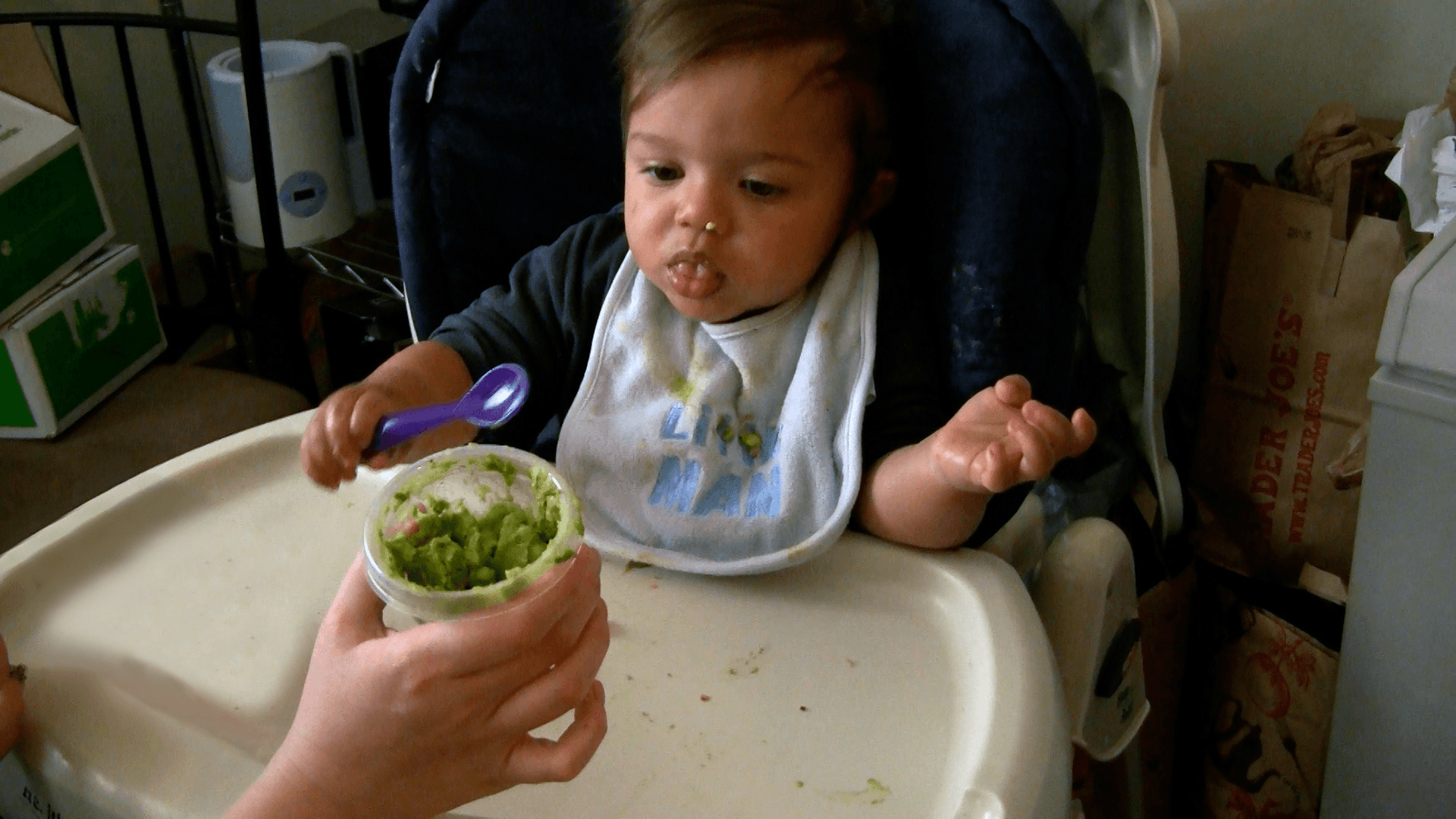
Nutrients: Protein, fiber, vitamins C and K, folate, iron
Benefits: Aid muscle and bone growth, brain development, immunity, and digestion.
Preparation: Steam until soft. Puree, mash, or serve whole (squish lightly to prevent choking).
9. Spinach
Nutrients: Iron, calcium, vitamins A, C, and K, folate
Benefits: Promotes cell health, vision, strong bones, and immunity.
Preparation: Steam or sauté and puree with a little water, breast milk, or formula. Mix into other purees (like sweet potato) for a milder flavor.
10. Blueberries
Nutrients: Antioxidants, fiber, vitamins C and K
Benefits: Support heart health, brain development, digestion, and provide quick energy.
Preparation: Puree or serve halved or squished to reduce choking risk.
Don’t forget that mealtimes can be messy… but that’s ok! Watch to learn more about the benefits of letting Baby play with food: