When to Use Swaddles and Sleep Sacks (and When to Stop)
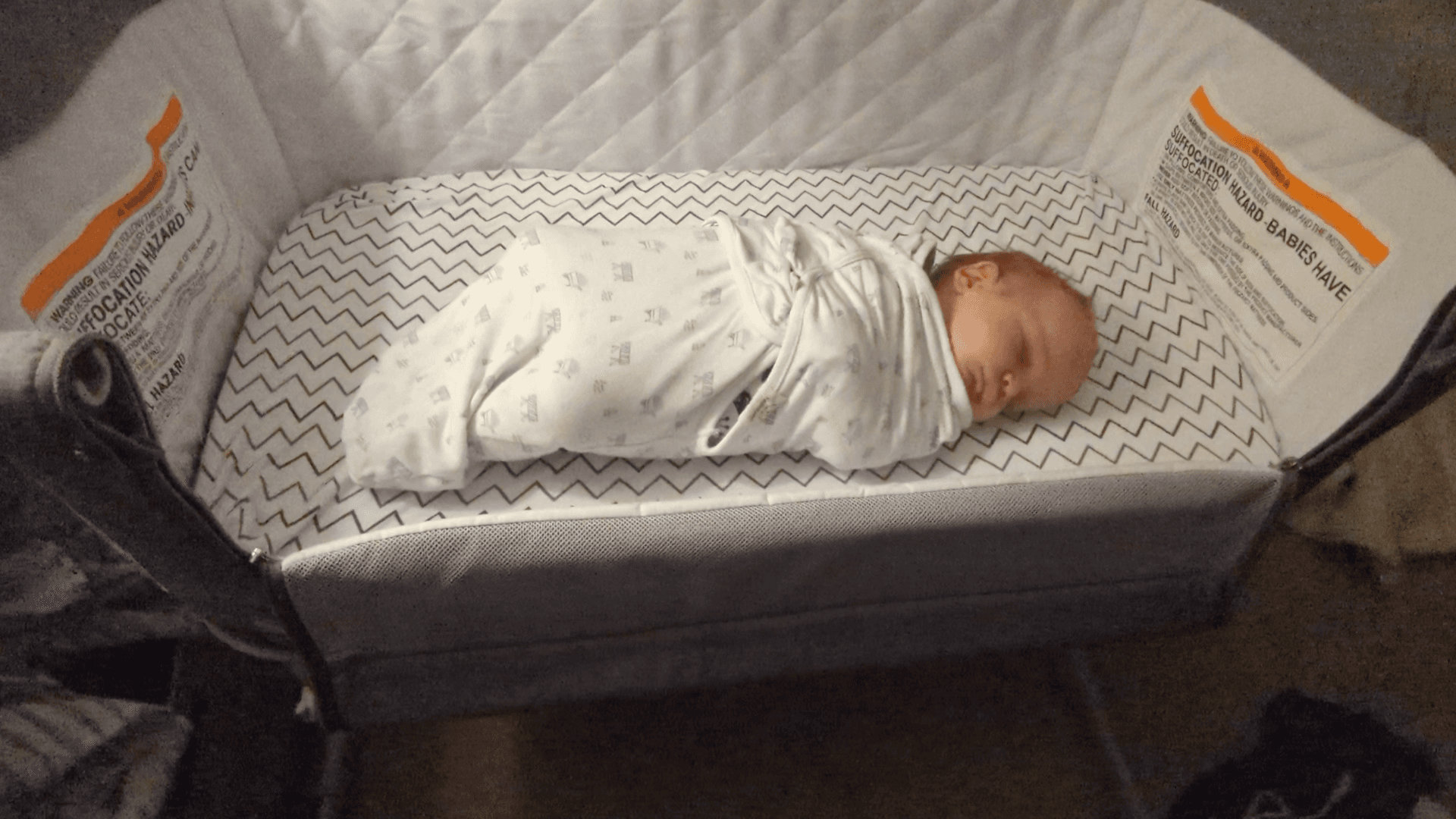
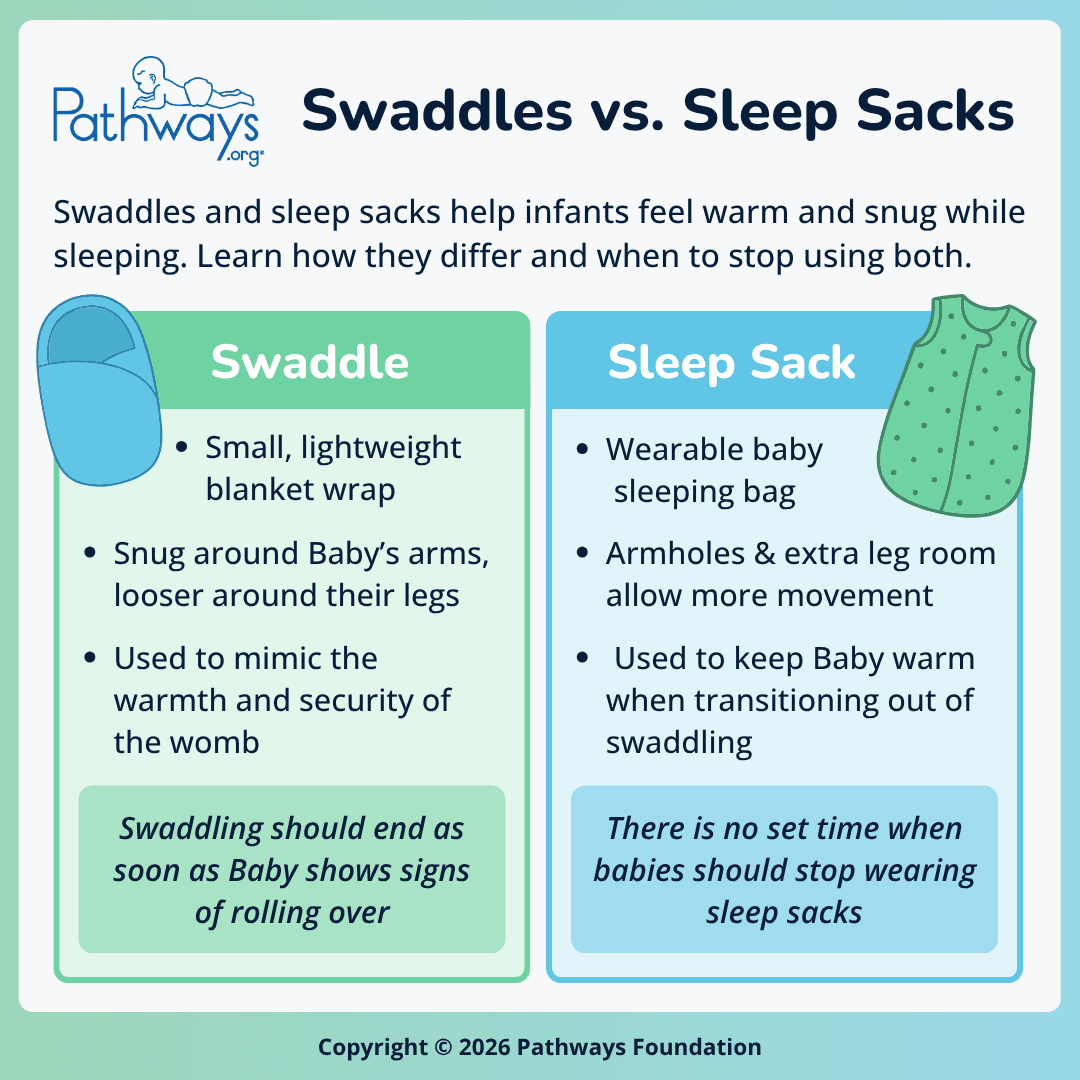
Swaddles and sleep sacks both help Baby feel calm and secure for sleep, but swaddling needs to stop much sooner—as soon as Baby shows signs of rolling.
Watch for signs like lifting their head, reaching for toys, or crossing midline to know when Baby is getting ready to roll and needs to stop swaddling.
Sleep sacks can be used for as long as you and Baby like, making them a great option during and after the transition out of swaddling.
For newborns just getting the hang of sleeping outside the womb, swaddles and sleep sacks can give them a similar sense of warmth and security, helping them fall asleep more easily. Swaddling can also prevent the Moro reflex (startle reflex), which can wake a baby. While these sleep devices can help Baby get the sleep they need, it’s important to know when to stop swaddling and how long you can use sleep sacks.
Swaddle vs. Sleep Sack: What's the Difference?
Both swaddles and sleep sacks are meant to keep Baby warm and snug while sleeping. But a few features set them apart:
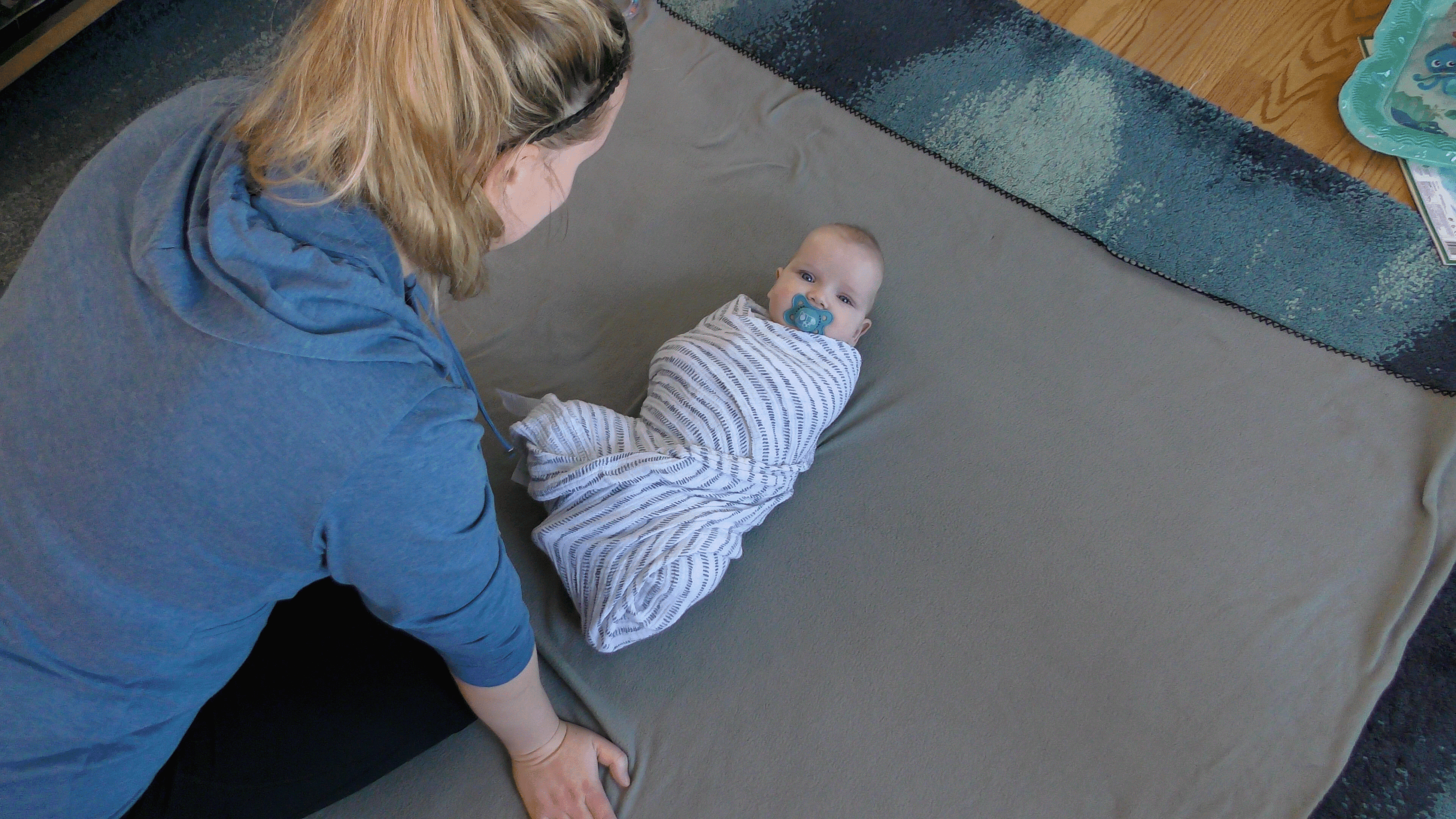
A swaddle is a small, lightweight blanket that you wrap around Baby. It’s tighter around their arms and looser around their legs. This snug wrap mimics the warmth and security of the womb, helping Baby fall asleep.
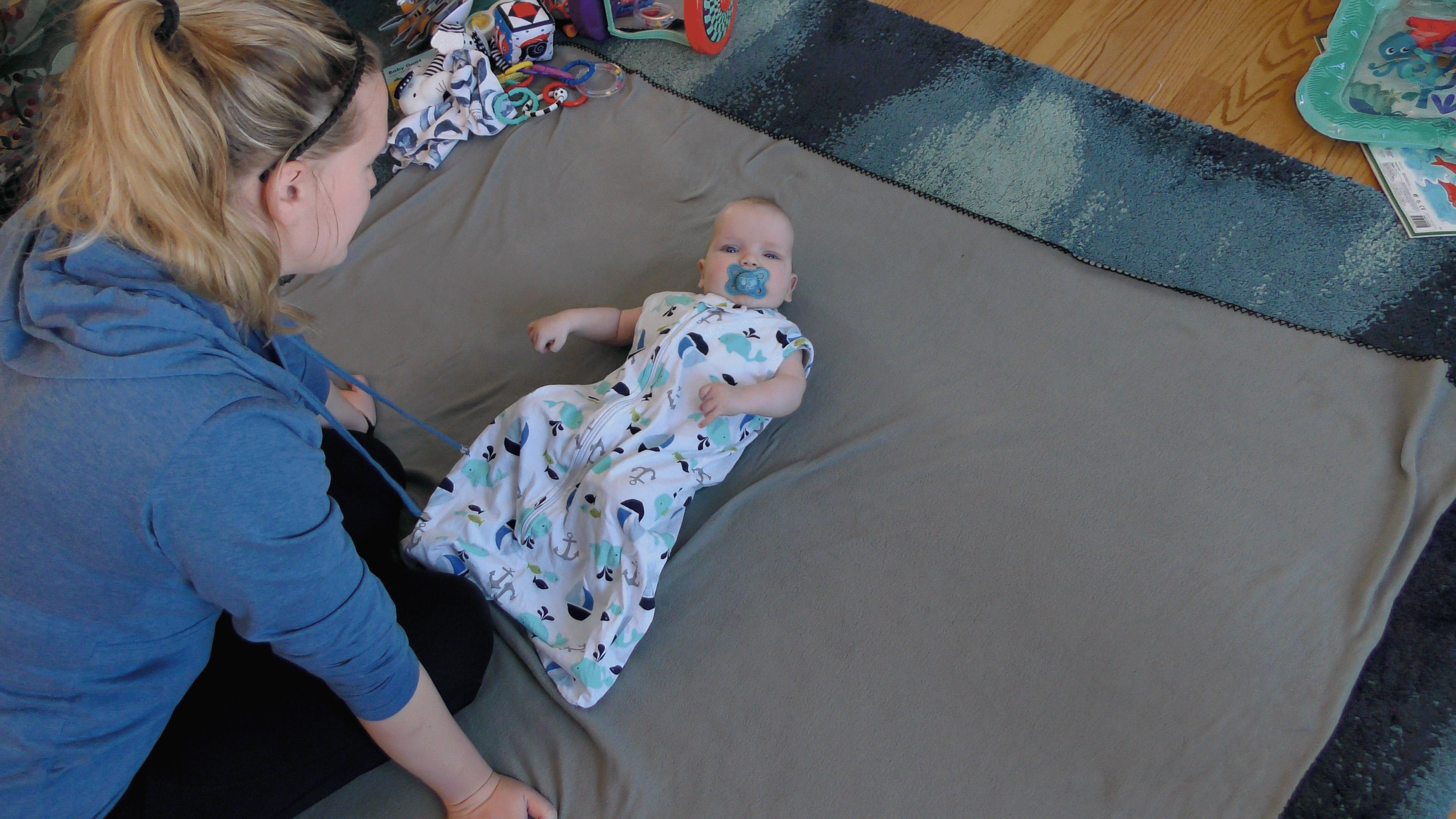
A sleep sack is a wearable baby sleeping bag that zips or fastens closed. It has extra leg room and arm holes so Baby’s arms stay free. This freedom of movement keeps Baby comfortable and safe as they grow and become more mobile.
How to Safely Swaddle a Newborn
No matter which wrap method or swaddle type (e.g., pre-made or blanket swaddle) you use, there are a few things to know about safe body positioning for swaddling:
Baby’s swaddle should be snug, but not tight—you’ll know it’s just right if you can fit two to three fingers between their chest and the swaddle
If Baby likes their arms tucked in, keep them straight at their sides or gently folded over their chest
The top of the swaddle should stay below their chin
Their legs should be slightly bent (never straight down) in a natural, frog-like position
There should be enough room in the bottom of the swaddle so that Baby’s hips and legs can move around
Watch this step-by-step tutorial for a simple way to swaddle Baby:
When to Use a Sleep Sack vs. a Swaddle
Sleep sacks and swaddles can both be used from birth, but Baby will need to stop using a swaddle much sooner than a sleep sack. Swaddling should stop as soon as Baby shows signs of rolling, while sleep sacks can be used for however long you and Baby are comfortable. Since the American Academy of Pediatrics recommends against using loose blankets in a baby’s crib, a sleep sack is a safe way to keep Baby warm once swaddling stops.
When to Stop Swaddling
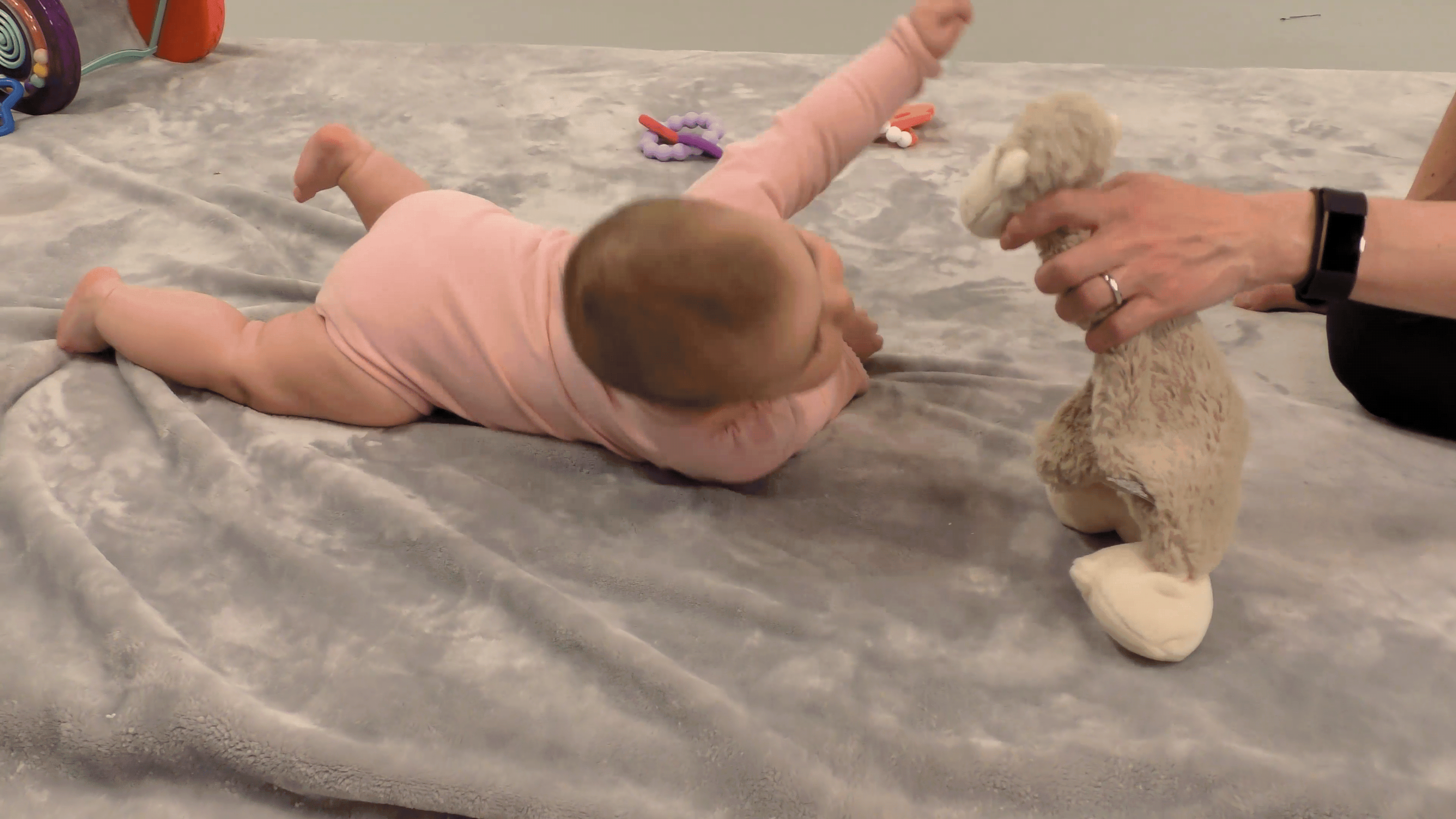
As soon as Baby attempts to roll over, swaddling should end. This is because a swaddled baby cannot use their arms to lift themselves or change positions if they roll onto their tummy. While rolling is a 4-6 month milestone, Baby may attempt to roll as early as 2 months old.
What does it look like when baby attempts to roll over?
Baby will most likely try to roll from belly to back before they roll from back to belly. Look for the following signs that Baby is going to start rolling over:
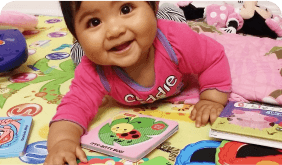
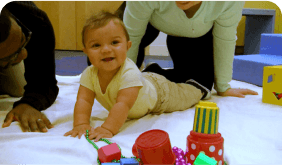
Baby is lifting their head while lying on their tummy
Baby is reaching for toys while on their tummy
Baby is crossing midline
Baby rocks or shifts their weight while on their back, side, or tummy
How to Transition from a Swaddle to a Sleep Sack
Once Baby starts attempting to roll, you can transition out of swaddling gradually or all at once. For a gradual approach, swaddle with one arm out for a few nights, then both arms out, before trying a sleep sack. If Baby adjusts well to change, you can try going straight to a sleep sack. It can help to start the transition at nighttime, when Baby is sleepiest and may settle more easily.
When to Stop Using a Sleep Sack
Unlike swaddles, there is no rule for when Baby should stop using a sleep sack. That’s up to you and Baby! Sleep sacks are safe to use when Baby starts rolling because they keep Baby’s arms free to get them unstuck. You can use them however long you’d like, but keep an eye on the fit as Baby grows.
Sleep sacks for babies don’t fit the same as those made for toddlers. A properly fitting sleep sack is snug around the armholes and neck and roomy enough at the bottom for Baby to bend and kick their legs freely. Always follow size guidelines and avoid sizing up just so Baby can wear it longer.
Sleep Sack Options for Toddlers
If your little one outgrows their infant sleep sack, but wants to keep using one, you can try a toddler sleep sack, sleep suit, or sleep bag walker. Toddler sleep sacks are made for children 12 months and older, and are longer and roomier than baby sleep sacks. Sleep suits and sleep bag walkers typically have separate leg openings (a bit like baggier footie pajamas) that allow a toddler to walk or stand up safely in their crib.
Do I need both swaddles and sleep sacks?
It’s up to you and your little one! After swaddling stops, it can be helpful to have a sleep sack handy if Baby has trouble sleeping without that snug feeling. Some 2-in-1 “swaddle sleep sack” options have an adjustable swaddle wrap attached to a sleep sack so you can transition out of swaddling without having to buy another sleep device.
Safety note: Don’t use a swaddle and sleep sack at the same time, as too many layers can restrict movement too much and cause Baby to overheat.
Safety Reminders for Baby Sleep
These infant sleep safety tips come from the American Academy of Pediatrics:
Baby should always sleep alone, with nothing else in their crib (this includes loose blankets, stuffed animals, and pillows)
Baby should always be placed in their crib on their back
Baby should always sleep in their crib or bassinet
Don’t use weighted swaddles, weighted clothing, or other weighted objects
Remove Baby’s swaddle or sleep sack if they show signs of overheating, such as sweating, flushed cheeks, or rapid breathing
Sources
Cleveland Clinic. Are Sleep Sacks Safe for Babies? 3 June 2022, https://health.clevelandclinic.org/sleep-sack-safety. Accessed 11 Sept. 2026.
Moon, Rachel Y. “How to Keep Your Sleeping Baby Safe: AAP Policy Explained.” HealthyChildren.Org, 11 Sept. 2026, https://www.healthychildren.org/English/ages-stages/baby/sleep/Pages/A-Parents-Guide-to-Safe-Sleep.aspx. Accessed 11 Sept. 2026.
Moon, Rachel Y., and Danette Glassy. “Swaddling: Is It Safe for Your Baby?” HealthyChildren.Org, 15 July 2022, https://www.healthychildren.org/English/ages-stages/baby/diapers-clothing/Pages/Swaddling-Is-it-Safe.aspx. Accessed 11 Sept. 2026.