Rolling
Rolling is one of those milestones that sneaks up on you. One day Baby is just lying there, and the next they're flipping over and surprising you! It typically happens between 4 and 6 months, and it's a big deal! Rolling means Baby's core is getting strong and they're learning to shift their weight, control their head and body, and find their balance. These are the building blocks for sitting, crawling, and beyond. By 6 months, most babies can roll both ways, tummy to back and back to tummy.
⚑ How Rolling Develops
Signs Baby is Ready to Roll
Good head control
Rocking
Is Baby rocking side to side or shifting their weight while on their back, side, or tummy?
Crossing midline
Do you see Baby reach across or bring their hands to the middle of their body?
Reaching
Is Baby reaching for toys during Tummy Time?
Once Baby starts attempting to roll, it’s time to stop swaddling for safe sleep.
How Rolling Progresses
Rolling doesn’t just happen overnight! It’s the result of many smaller skills coming together and little muscles growing stronger. Here’s how Baby works toward this milestone:
1. Small body shifts and movements
During floor play, Baby discovers how their body shifts and moves off the surface beneath them through leg kicks, waving arms, and head turns.
2. Propping up on forearms
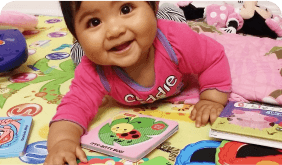
As Baby gets stronger, they begin to support themselves on their forearms during Tummy Time. This teaches Baby how to push through their arms and rock side to side.
3. Crossing midline
Coordination improves with movements like bringing objects to their mouth and grabbing their feet. These movements help Baby’s brain use both sides of their body together more smoothly, which is key for rolling over!
4. Rolling one way
It's typical for babies to roll from belly to back first! Baby should roll from back to tummy and tummy to back by 6 months.
Helping Baby Roll
Rolling takes practice! Here are a few ways you can help Baby build the strength and confidence they need:
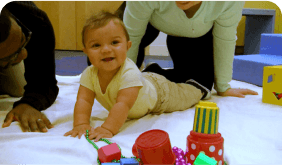
Use toys as motivation. Place a toy just out of Baby's reach to encourage the twisting motion that leads to rolling.
Try side-lying. Placing Baby on their side with support can help them practice shifting weight and rolling to their back or tummy.
Initiate the roll. While Baby is in side-lying, place a hand on their hip and rock them in the direction of the roll.
Stick with Tummy Time. Daily Tummy Time builds the muscle strength needed for rolling—and your little roly poly still needs it until they can crawl. Even if Baby keeps rolling over during Tummy Time, don't give up on floor time!
Practice both ways and both directions. Baby should roll not only tummy-to-back and back-to-tummy, but also to the left and right. This ensures Baby works the muscles on both sides of their body so they don't develop a preference.
Watch expert rolling tips from pediatric physical therapists:
Rolling Activities to Try
When to Get Support with Rolling
Every baby develops differently, but reach out to your baby's healthcare provider if:
Baby hasn't tried rolling by 6 months
Baby shows little interest in reaching or shifting their weight to roll
Baby can only roll one way (tummy to back or back to tummy)
If you need help talking about your concerns, find more information here: Early Intervention Resources to Support Baby's Development
KEEP EXPLORING