Stranger Anxiety in Babies: When It Happens and How to Help
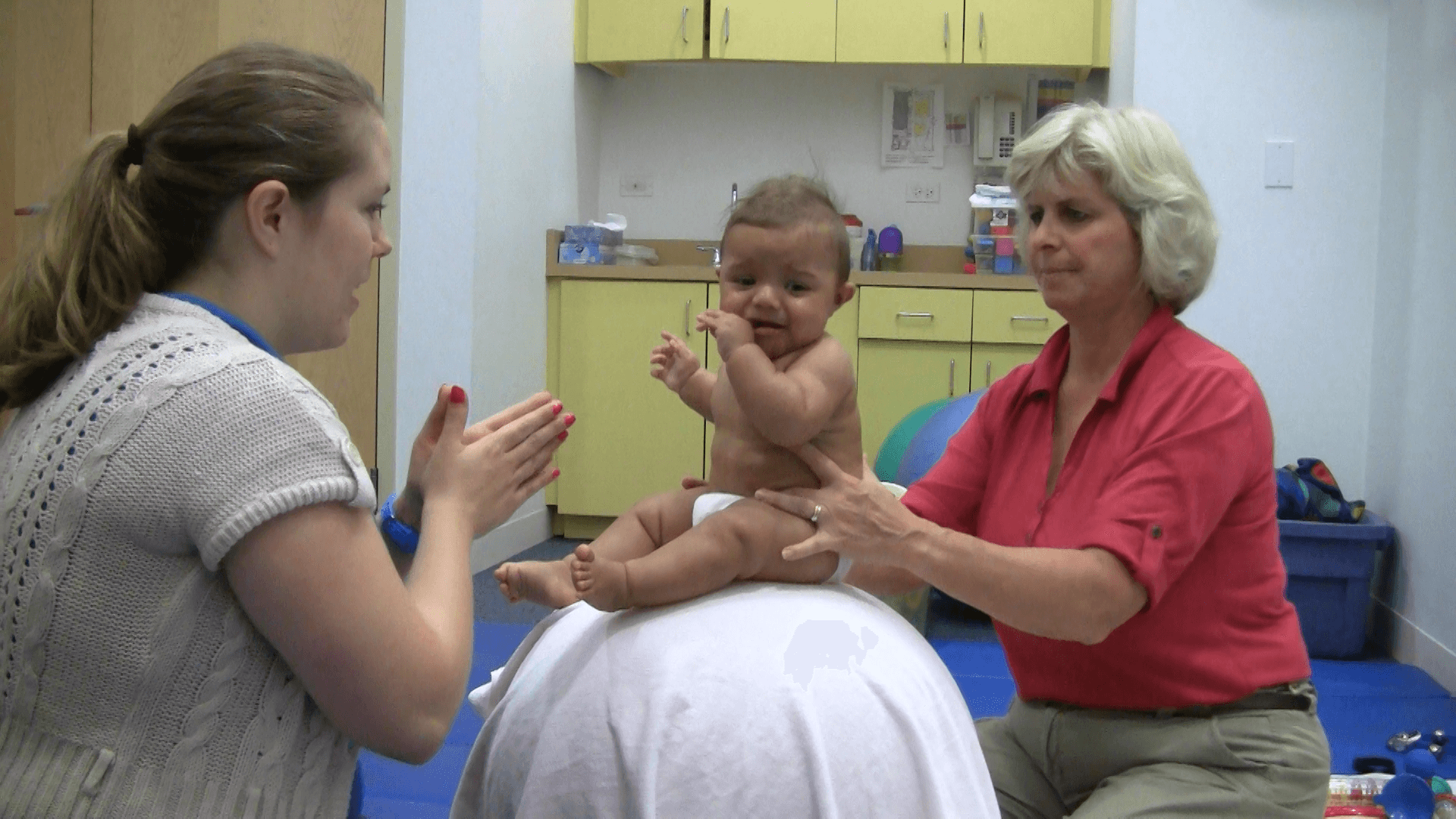
Stranger anxiety is a normal part of social-emotional development that can make it hard for Baby to meet new people.
This fear of strangers usually shows up in babies around 6 months and peaks in intensity around 12 months. Signs can vary based on your child's age, attachment to you, and temperament.
You can help by staying close during introductions, keeping greetings calm and gradual, and giving your child extra comfort and patience during this stage.
Hello Baby!
From aunts and uncles to friends and neighbors, Baby is constantly meeting new people. This is a great way to work on Baby’s social skills! …but sometimes it doesn’t go as planned.
Once Baby can differentiate between familiar and unfamiliar faces, they may become shy or protest when they meet someone new. This is known as “fear of strangers” or “stranger anxiety”, and it’s a natural part of children’s social-emotional development. Even as they get older, your child may still get nervous when meeting unfamiliar people. But have no fear yourself! There are plenty of ways to make these introductions easier, no matter your child’s age, temperament, or experience.
How do babies normally react to strangers?
Some babies feel very anxious or confused by new faces and voices, causing them to cry for their caregiver or act clingy. Other babies have milder reactions, like getting a little shy and hiding their face. Sometimes, they may not seem to mind new people at all!
Although most infants will experience stranger anxiety at some point, it looks different in each child! How it shows up in your baby can depend on things like their age (or the stage of stranger anxiety they are in), the strength of their attachment to you, and their temperament, all of which affect how they approach new people and how intensely they react.
When does stranger anxiety start and end in babies?
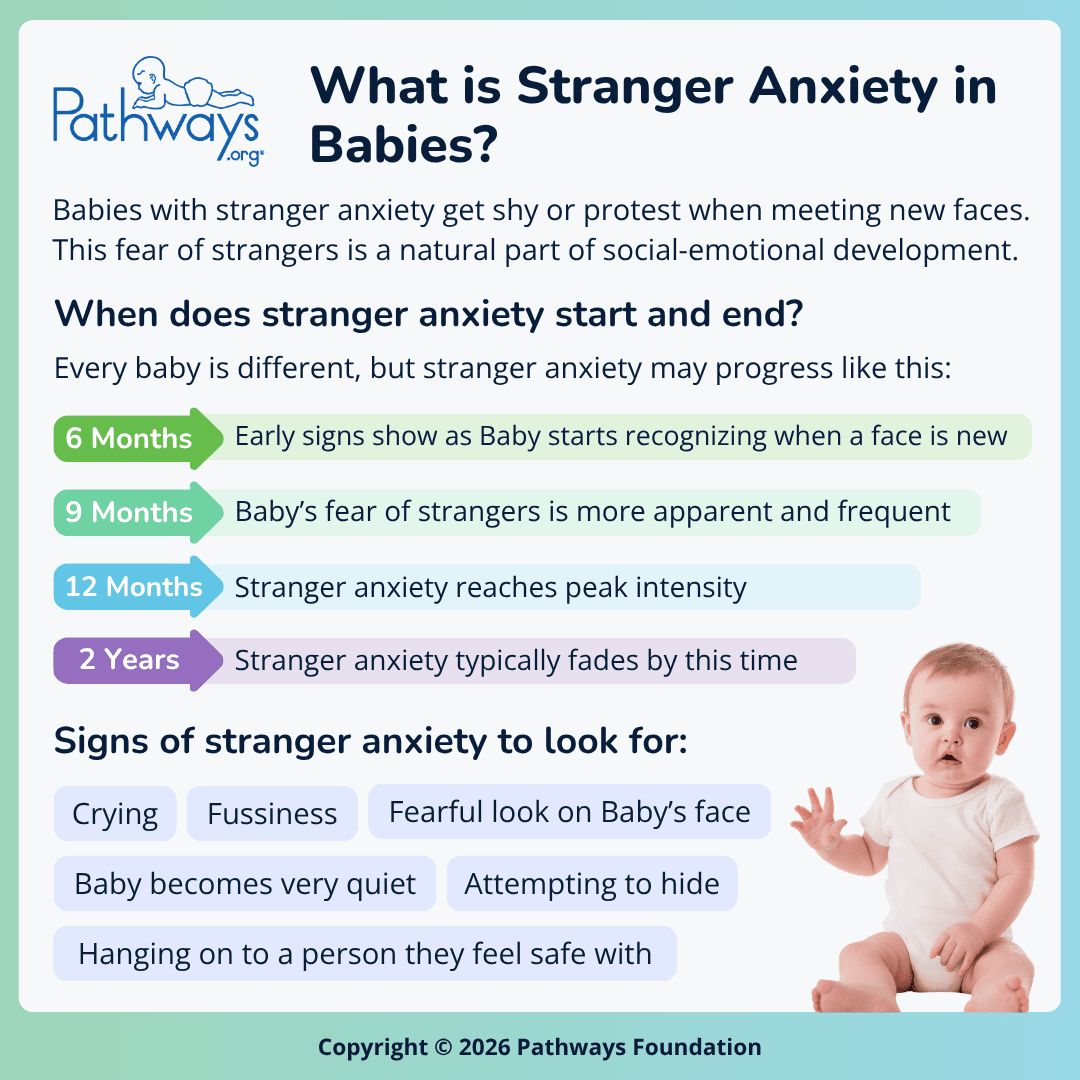
Again, every baby is different, but most will show early signs of stranger anxiety around 6 months, the age they start recognizing when a face is new. By 9 months, Baby’s fear of strangers will be more apparent and frequent, and around 12 months this stage usually reaches peak intensity. For some children, stranger anxiety will last a few months, while others will still experience it late into toddlerhood. However, it typically fades somewhere between 18 months and 2 years old.
This stage is also when separation anxiety begins, so expect a lot of clinginess and big emotions when you leave Baby with a babysitter or simply leave the room!
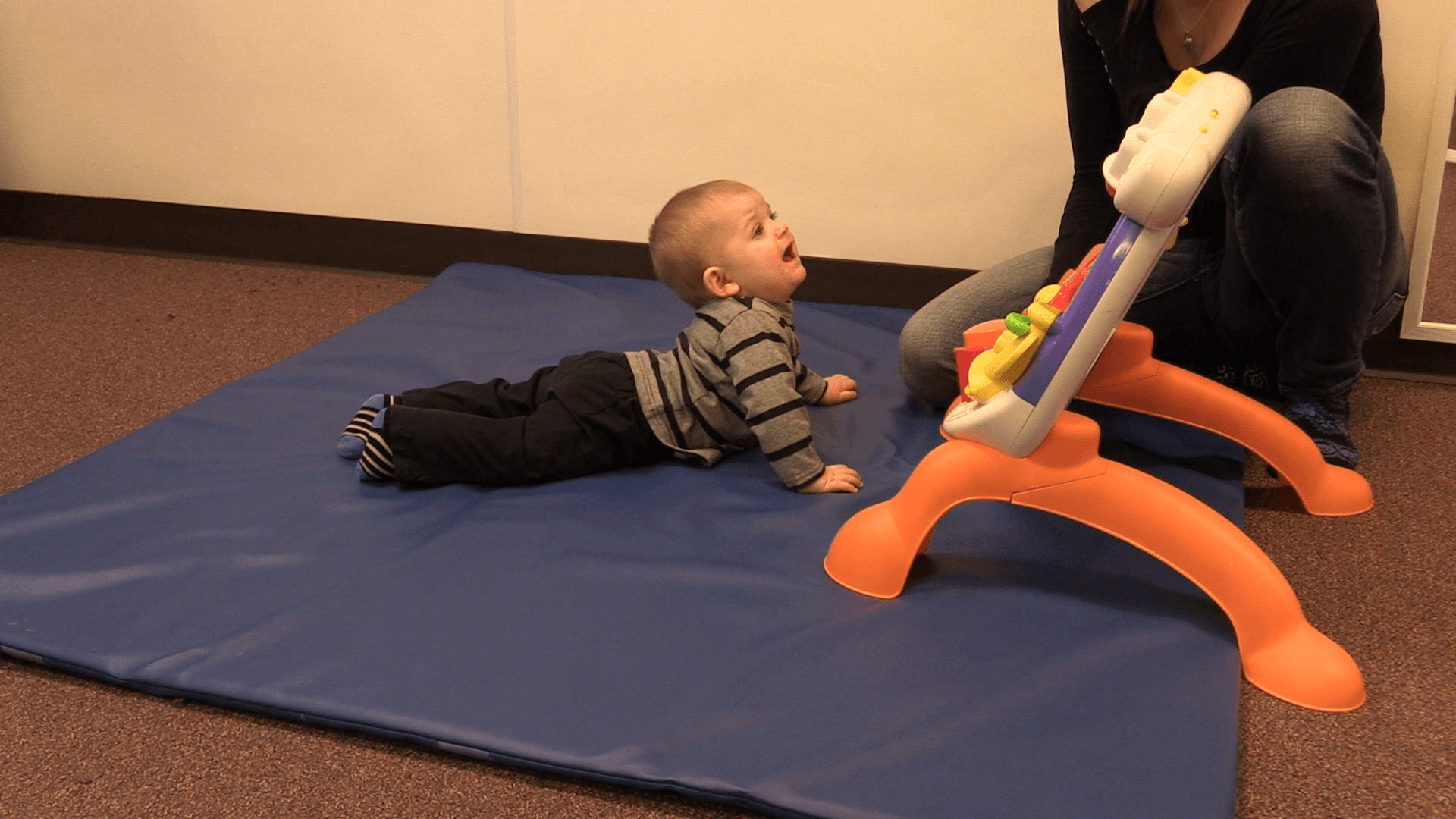
Signs of Stranger Anxiety in Babies and Toddlers
In the early stages of stranger anxiety, Baby may only show signs of fear occasionally. As they get older, these signs will become more obvious. Their reactions to strangers will range from mild to very strong, depending on their temperament. Here are some signs of stranger anxiety to look for:
Crying
Fussiness
Fearful look on Baby’s face
Baby becomes very quiet
Attempting to hide
Hanging on to a person they feel safe with
Tips to Help Your Baby or Toddler with Stranger Anxiety
While you may be hesitant to introduce your child to new people during this stage, babies and toddlers need this social exposure for their communication and social-emotional development. So here’s how you can help your little one manage their stranger anxiety:
Bond with Baby. During this stage, give Baby extra snuggles and attention. Having a healthy attachment with their primary caregivers gives Baby a sense of safety and comfort, which is important for their social-emotional development.
Keep physical contact with Baby while they meet new people. Hold their hand or have them sit on your lap while meeting new faces so they know you’re there and feel comforted by your touch. Don’t hand them over to the new person until they feel more at ease with them.
Stay calm and greet the new person warmly. Greeting your guest with loud reactions or handing Baby over too quickly can be overwhelming for them. A slow and positive greeting can help Baby warm up to the person more easily.
If your child has a lovey, take it along when they meet new people. A favorite stuffed animal or blanket, along with your touch, can give them added security and comfort in the face of strangers.
If possible, introduce Baby to new people in a familiar setting. If Baby is going to be in a new place, like a daycare, go in with them a few times before you leave them there to help them adjust to the environment.
Try playing with Baby while they meet new people. Give the new person a toy to play with while they meet Baby or invite them to join in on a game. They can also help with daily activities, like reading a bedtime story to Baby.
Consider video chatting! The AAP recognizes video chat as an exception to general screen time guidelines for children under 2. And it's a great way to get Baby familiar with relatives who live far away before meeting in person.
If your child is old enough to understand, prepare them to meet new people. Show them a picture of the person and say, “We are going to meet my friend [name] today,” and then explain what you’ll be doing together. Your child can give the new person a gift or ask them a question to make the meeting go more smoothly.
Encourage your child to be independent as a toddler. Giving toddlers their own tasks and time to play alone each day (with supervision from a distance) can help with their confidence and communication.
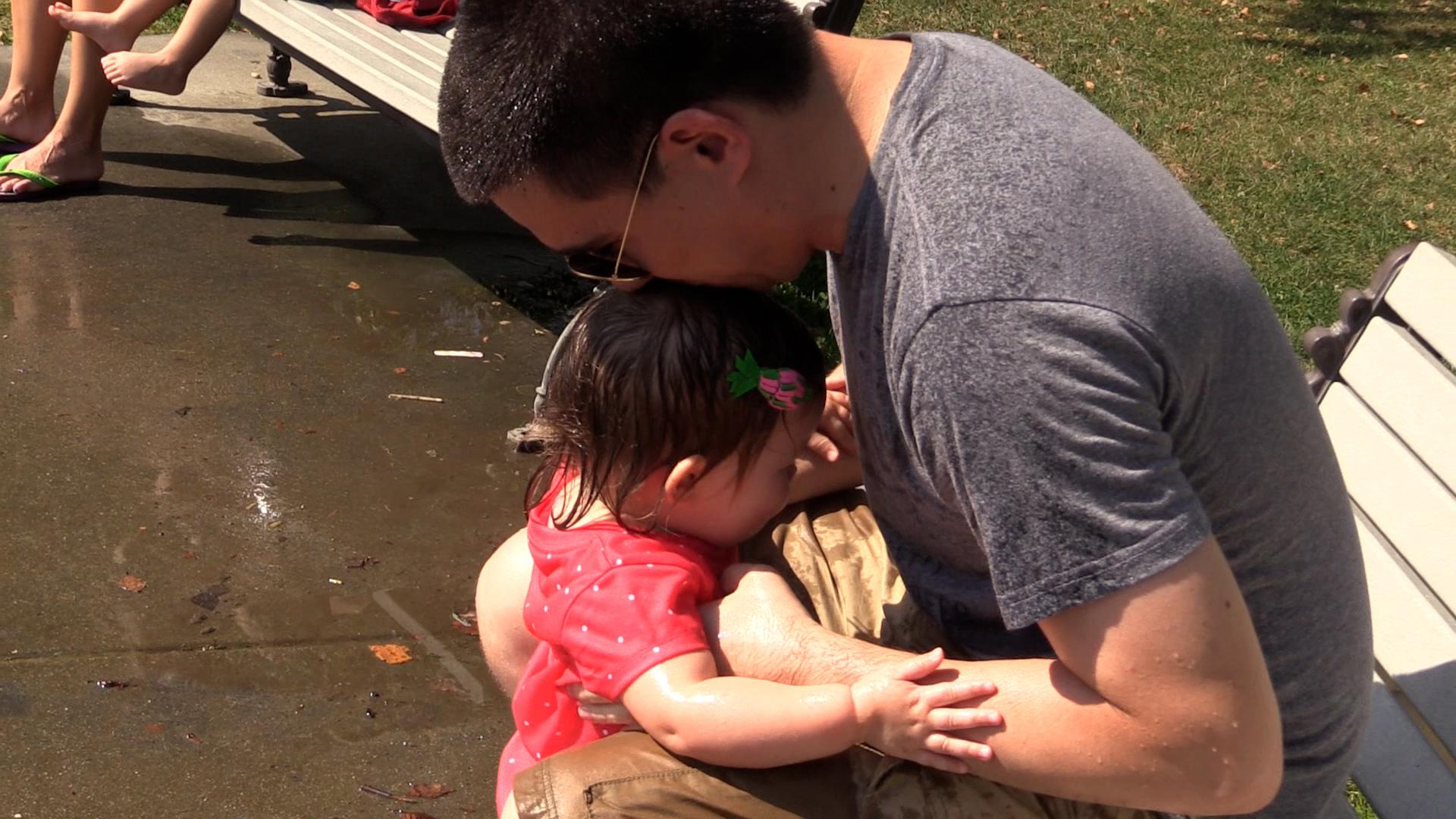
Remember to be patient!
If it doesn’t go well the first time Baby meets someone, don’t be discouraged! Keep introducing Baby to new people, but also remember to be patient. Don’t push them, and if they’re crying nonstop, remove them from the situation. The process doesn’t need to be rushed.
If your child has an intense fear of strangers that doesn’t seem to be lessening as they get older, speak to a healthcare provider. They can determine if your child is dealing with something else, like social anxiety, and offer tailored strategies to help manage it.
Sources
Brooker, Rebecca J, et al. “The Development of Stranger Fear in Infancy and Toddlerhood: Normative Development, Individual Differences, Antecedents, and Outcomes.” Developmental Science, vol. 16, no. 6, 8 June 2013, pp. 864–878. PMC PubMed Central, 10.1111/desc.12058. Accessed 6 Aug. 2026.
“Fear of Strangers: Babies and Young Children.” Raising Children Network, 30 May 2019, https://raisingchildren.net.au/toddlers/behaviour/common-concerns/fear-of-strangers. Accessed 6 Aug. 2026.
Hill, David L, and Tanya Altmann. Caring for Your Baby and Young Child: Birth to Age 5. 8th ed., American Academy of Pediatrics, Oct. 2024, https://publications.aap.org/aapbooks/book/768/Caring-for-Your-Baby-and-Young-Child-Birth-to-Age. Accessed 6 Aug. 2026.