PURPLE Crying: How to Cope During This Difficult but Typical Infant Phase

PURPLE crying is a common phase of increased crying in infants that peaks during month 2 and ends by month 5.
Simple calming methods and caregiver coping strategies can make this phase easier to navigate and keep Baby safe.
You’re not alone—remember this phase has an end, and reach out for support when you need it.
Is your newborn suddenly crying more frequently and for longer periods of time (sometimes for hours)? Have you tried everything, but Baby still won’t stop crying? This is a common phase of infant crying known as PURPLE crying.
This time can be especially difficult for caregivers, but learning more about this phase and coping strategies can help you feel prepared and, most importantly, keep Baby safe.
What is PURPLE crying?
PURPLE crying describes a typical phase of increased crying that happens in the early weeks and months with a newborn. The term was created by Dr. Ronald G. Barr, a long-standing expert on infant crying and development. The letters in PURPLE stand for:
P - Peak of crying: Crying may increase each week, peak in month 2, then decrease during months 3-5.
U - Unexpected: Baby may cry on and off without a known reason.
R - Resists soothing: Baby may keep crying no matter what you try to calm them.
P - Pain-like face: It may look like Baby is in pain, even when they aren’t.
L - Long-lasting: Crying can last 5 hours or more (non-consecutive) per day.
E - Evening: Crying may happen more in the late afternoon and evening.
-t2RuTI.png&w=3840&q=75)
Is PURPLE crying the same as colic or the “witching hour”?
The terms PURPLE crying, colic, and “the witching hour” all refer to the same prolonged phase of crying. The only difference is the way they are framed. PURPLE crying is a more modern term that helps destigmatize this phase and educate caregivers that it’s a typical part of development, which is why many pediatricians prefer to use it.
What about “The Period of PURPLE Crying”?
You may have also heard “The Period of PURPLE Crying”. This isn’t just a term, but an evidence-based program developed by Dr. Barr and the National Center on Shaken Baby Syndrome. It was created to reduce the incidence of shaken baby syndrome and abusive head trauma through a better understanding of early increased infant crying. The word Period was added to remind caregivers that this phase of crying has an end.
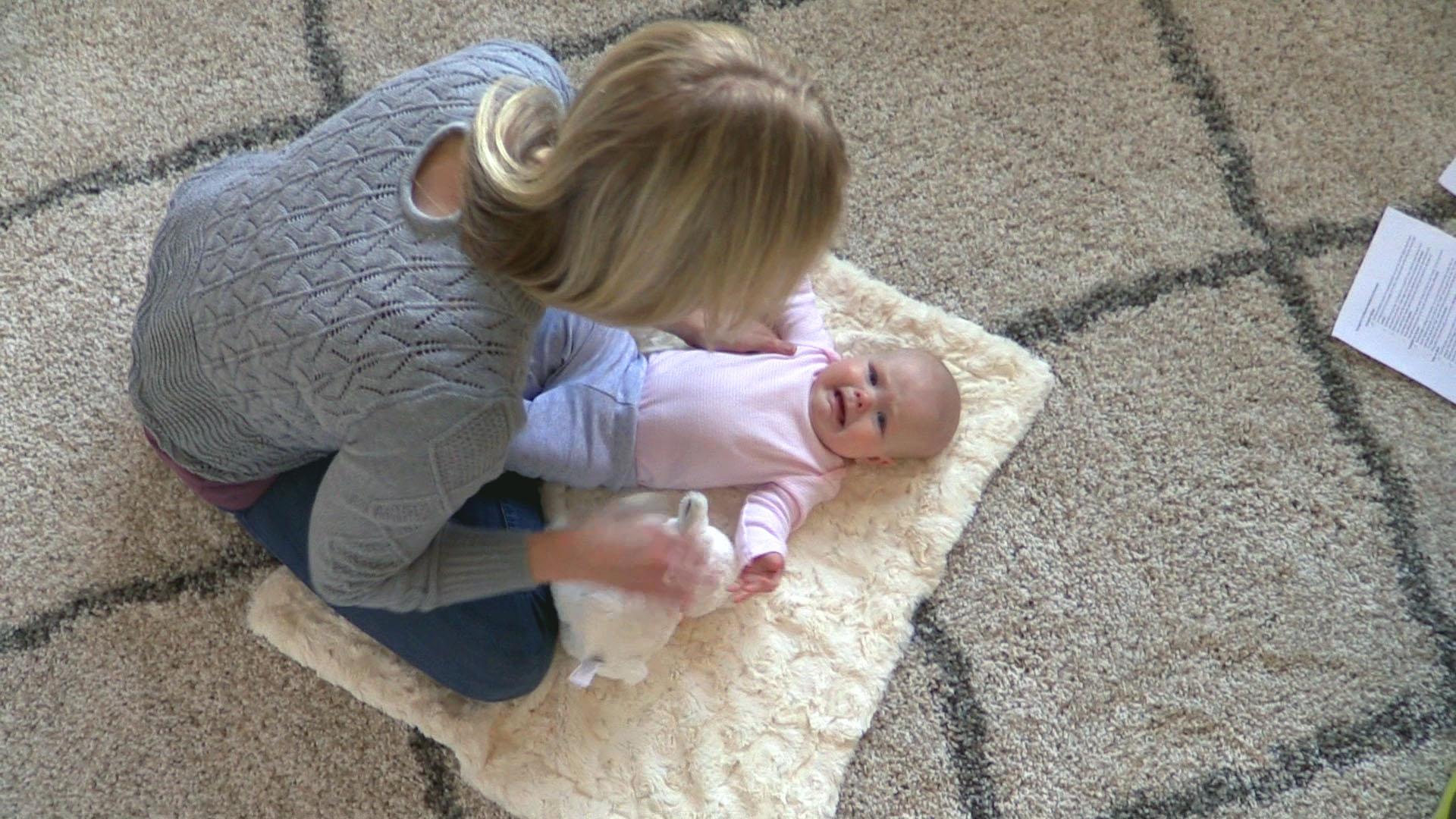
What to Do When Baby Won’t Stop Crying—No Matter What
Some days Baby’s crying feels manageable, and other days it can feel overwhelming. We know it’s frustrating when you can’t figure out how to calm Baby down. You’re trying your best, and that’s all you can do. Baby’s crying is not a reflection of the quality of care or love you give them.
Try soothing Baby when you’re able, but if nothing helps, it’s ok to place Baby somewhere safe and step away for a minute. Staying calm yourself is one of the best ways to keep the situation from escalating.
Below are some strategies that can help you through this phase. And if something feels off or you’re concerned, always trust your instincts and check in with Baby’s healthcare provider.
⚠️ No matter how frustrated you get, never shake your baby. Shaking can cause lifelong or life-threatening injury.
Strategies for Calming Baby
First, make sure all Baby’s basic needs are met (check for illness, too!). If that doesn’t do the trick, try these soothing techniques. Know that soothing may not always work, but these are worth trying each time:
Go on a car ride or walk in the stroller
Put Baby in a swaddle (Have swaddling issues? Try these solutions.)
Rock them gently while talking or singing
Hold Baby in different positions (e.g., tummy-down, over the shoulder)
Give them a warm bath
Turn on white noise or soft music
Remember: If Baby falls asleep, always put them on their back in their crib for their safety.
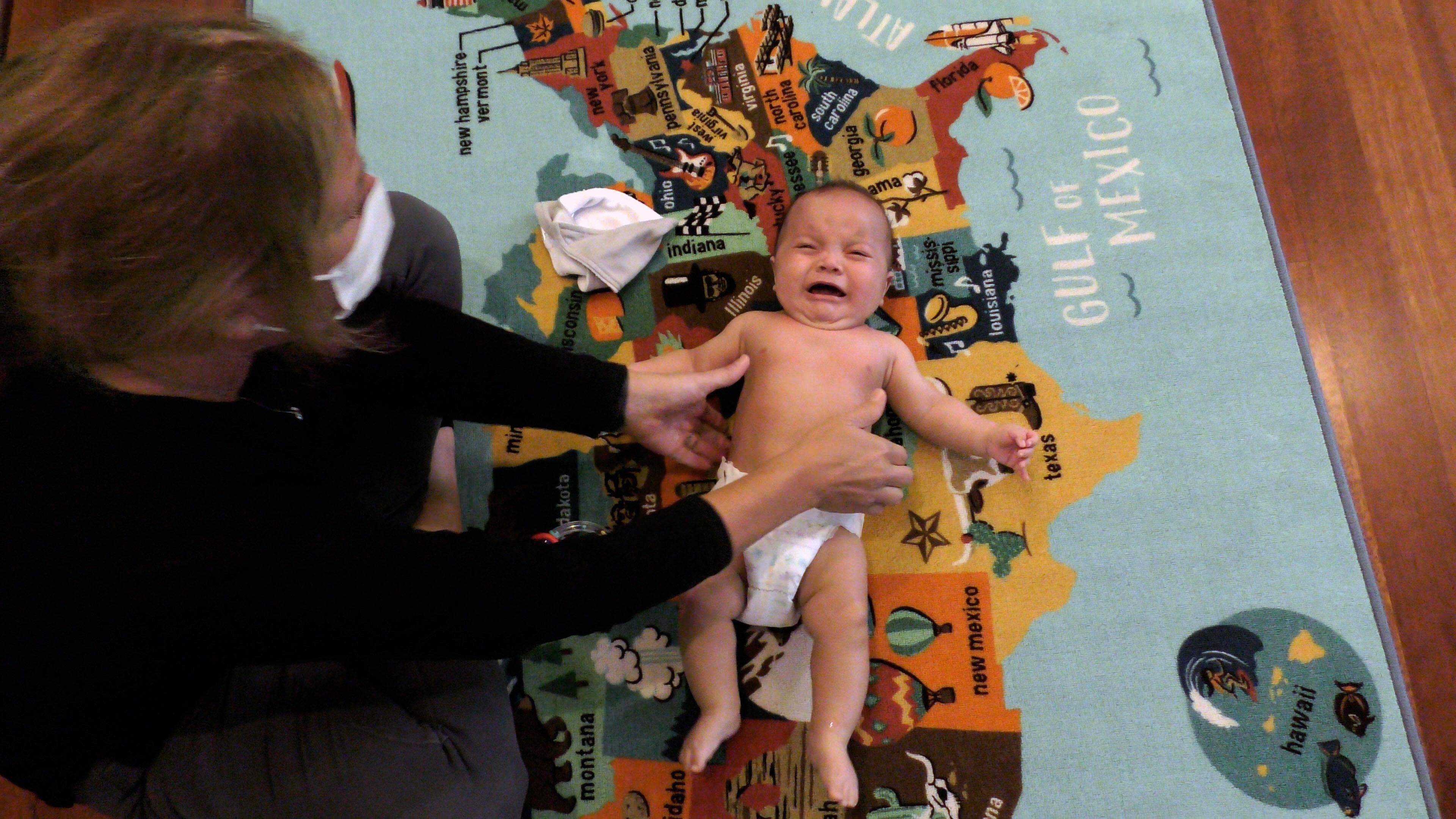
Coping Strategies for Parents and Caregivers
When the crying feels overwhelming, it’s important to take care of yourself so you can keep Baby safe. These strategies can help you reset:
Take some deep breaths. If Baby starts crying and you know they are safe, take a moment to mentally prepare yourself before responding.
Walk away when you need to. It’s ok to leave the room briefly to calm yourself. Always put Baby in a safe place first, like in their crib.
Don’t feel bad about asking for help. When possible, let Baby stay with a trusted caregiver so you can rest and get some quiet. Make sure the caregiver understands PURPLE crying and the importance of never shaking a baby.
Take turns soothing Baby. If you live with a partner or another trusted caregiver, rotate shifts so each of you gets some downtime.
Join an online parent group. Sometimes, venting to others who get it or simply hearing “we went through this too” can make all the difference.
Validate your own feelings. This phase is hard. Feeling frustrated is normal and not a reflection on your parenting.
Remind yourself that this phase will end. In the moment, it feels endless, but PURPLE crying always decreases with time.
Remember, You Are Not Alone
Many parents experience PURPLE crying with their baby, even though it can look different for every family. You may feel like your baby cries more than others, but know you are not the only one going through it.
Talking with other parents who have been in this phase, or who are navigating it now, can be reassuring. Baby’s healthcare provider is also a great source of support. They can help you understand what’s typical, offer guidance, and connect you with additional resources if you need them.
You’re doing your best, and you’re not alone on this journey!
Sources
National Center on Shaken Baby Syndrome. “National Center on Shaken Baby Syndrome - PURPLE Crying.” Dontshake.org, 2009, dontshake.org/purple-crying. Accessed 9 Dec. 2025.
Cleveland Clinic. “The Period of PURPLE Crying.” Cleveland Clinic, 21 Sept. 2023, my.clevelandclinic.org/health/articles/purple-crying. Accessed 9 Dec. 2025.
Duque, Jessica. “Your Baby’s PURPLE Crying Is Difficult but Normal | UNC Health Talk.” UNC Health Talk, 30 Apr. 2025, healthtalk.unchealthcare.org/your-babys-purple-crying-is-difficult-but-normal/. Accessed 9 Dec. 2025.
healthychildren.org. “Responding to Your Baby’s Cries.” HealthyChildren.org, 20 Feb. 2025, www.healthychildren.org/English/ages-stages/baby/crying-colic/pages/Responding-to-Your-Babys-Cries.aspx. Accessed 9 Dec. 2025.