Executive Function: How Kids Learn to Focus, Adapt, and Plan
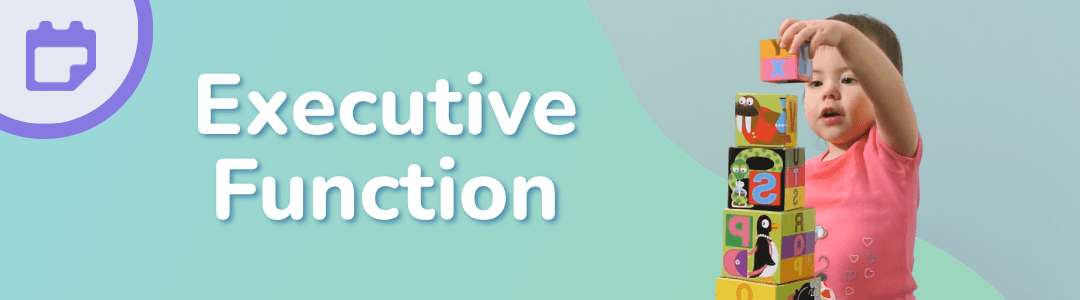
Executive function skills combine motor, sensory, communication, and cognitive skills we've developed in early childhood—an incredibly important set of skills we use every single day. Together, they help us take what we know and apply it in practical, meaningful ways during play, learning, socializing, and daily routines. Understanding what they are, how they grow, and what to look for can help you give your child the support they need to thrive.
⚑ How Executive Function Develops
Executive function skills begin developing in infancy and continue building into early adulthood. Around preschool age (3 to 5), toddlers experience a big spike in executive function development, making this a critical time to support these skills. Executive functioning becomes increasingly important in social and school settings as children grow.
There are three main areas of executive function skills. All three are important for children to grow into well-rounded individuals!
-zLxzgk.png&w=3840&q=75)
1. Working Memory
Working memory is the ability to hold, remember, and use information over short periods of time. A child draws on working memory when they follow multi-step instructions, remember the rules of a game, or recall what they were just asked to do. It's the mental sticky note that keeps us on track.
-nBKW_l.png&w=3840&q=75)
2. Self-Control
Also known as inhibitory control, self-control is the ability to think before acting, regulate thoughts and behaviors, and resist impulses. It helps children pause and think, like waiting their turn during a game or stopping themselves from grabbing something that isn't theirs.
-qkQBP0.png&w=3840&q=75)
3. Mental Flexibility
Sometimes called cognitive flexibility — adapting to changing situations and perspectives, switching between tasks, or thinking about multiple concepts at once. A child with strong mental flexibility can adjust when plans change, recover from a setback, and find a new approach to a challenge.
Where Children Use Executive Function Skills
Executive function is about functional, real-world skills. Here's where you'll see them in action:
During Play
Baby playing peek-a-boo learns that an object still exists even when it's out of sight, an early form of working memory
Children learn to take turns and share with peers
They begin learning to cope with losing
They follow directions from adults and adapt to the rules of a game
While Socializing
Baby focuses and pays attention to people's faces and voices as they speak
Children first imitate others, then learn to use gestures and expressions in their own communication
As they grow, they talk through disagreements with friends and work toward solutions
Older children begin planning get-togethers, following through on commitments, and managing social expectations
At School
Children manage their time to complete assignments and tests
They pay close attention to learn new material
They organize their belongings and materials by subject so they can find what they need
They hold instructions in mind while completing a task independently
Helping Executive Function Skills Grow
Parents and caregivers play a vital role in developing executive function skills. Here are some ways to help:
Establish routines. Consistent daily schedules help children understand expectations and manage time effectively.
Encourage play. Imitation games (e.g. clapping back and forth), pretend play, and open-ended toys like blocks are fun ways to support executive function skills, such as memory and problem-solving.
Model behavior. Demonstrating self-control, organization, and flexible thinking gives children examples to replicate.
Provide opportunities for choice. Allowing children to make decisions (like which shirt to wear or book to read) encourages independence and critical thinking.
Talk through the steps of an activity. Before starting a task, walk through what you'll do together. This builds planning skills and helps children internalize the process of breaking a big goal into smaller steps.
Let them try to solve a problem before jumping in. When children struggle through a challenge and succeed, they build both skill and confidence. Acknowledge effort and good behavior when you see it.
Bring children along on errands and real-world tasks. Grocery shopping, cooking, or running errands exposes children to planning, sequencing, and adapting to unexpected changes in a real-world context.
When to Get Support with Executive Function
Executive function skills develop gradually, and every child's pace is different However, some children may show signs that they need extra help. Talk to your child's healthcare provider if you notice challenges such as:
Becomes easily frustrated and struggles to manage emotions, or is not easily calmed as a baby
Has very rigid routines and strong resistance to change
Struggles to make adjustments after getting used to doing something a certain way
Has difficulty completing simple, age-appropriate tasks
Difficulty with age-appropriate social interactions
Needs significantly more help with tasks than other children the same age
Struggles with time management
Difficulty using and applying information from memory
Forgets rules easily
Difficulty planning and completing multi-step projects
Appears impulsive
Trust your instincts. You know your child best, so bring up any concerns at your next well-baby visit, or sooner if needed. Early support makes a real difference.
Specialists who may help: occupational therapists can assess challenges with executive functioning and provide strategies to help.