Getting to Know Your Child’s Temperament: 9 Traits That Make Their Development Journey Unique
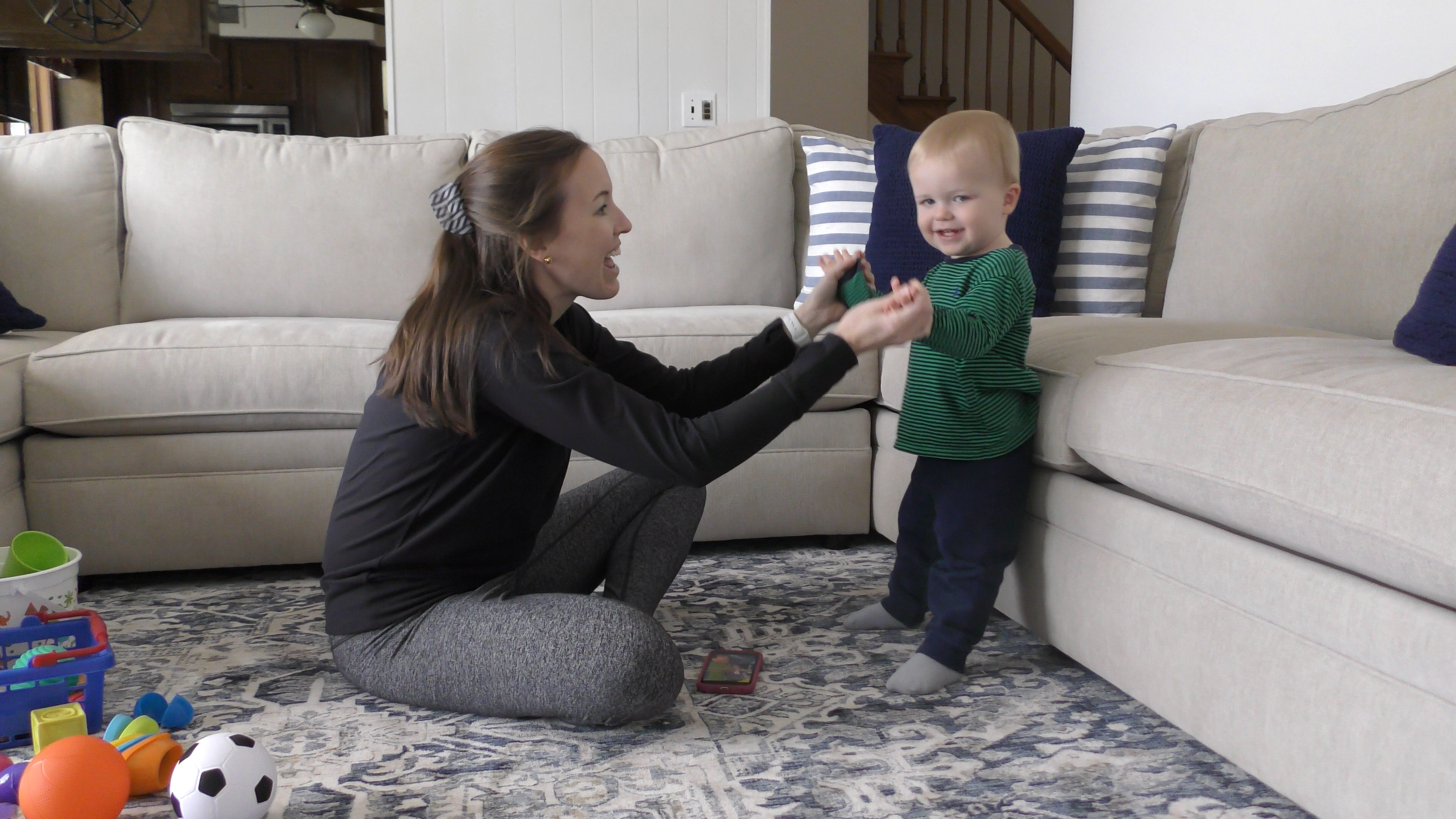
Every child is born with a unique temperament that shapes how they behave, react, and experience the world around them.
Nine core temperament traits that influence everything from how your child handles change to how long they can focus on a task, and each one falls on a spectrum.
Understanding your child's temperament can take a lot of the frustration out of parenting, helping you adjust your approach and support them in the ways they need most.
We’ve all heard parents who gush about having an “easy” baby—they rarely cry, take to Tummy Time right away, and have a predictable nap schedule. Meanwhile, those with “difficult” infants may deal with frequent wakeups or try everything in the book to make Tummy Time more enjoyable. Some babies may fall somewhere in the middle, being “easy” with some things and “difficult” with others.
These are examples of temperament, and one is no better than the other. It’s what makes your child unique! Temperament is also part of why each child’s development journey will look a little different, and why you may need to adjust your parenting approach for each of your children.
Understanding your child’s temperament can help you manage your expectations for their behavior and identify areas where they need more support, reducing frustrations for everyone.
Temperament vs. Personality
Temperament and personality are closely intertwined, but they are two different things!
Temperament is a child’s unique behavioral and emotional style that influences how they react and respond to the world around them. It’s largely determined by genetics, meaning your child is born with many of the tendencies that affect their behavior. That said, some parts of temperament can still be shaped by the environment a child grows up in and even their health (e.g., whether they were born premature or with a medical condition).
While temperament builds the foundation of a child’s personality, personality is shaped by a more complex web of factors than genetics. It can be shaped by things like early interests, cultural values and beliefs, and important relationships or experiences.
Fun fact: Temperament is the reason that siblings living together can be total opposites despite being raised in the exact same way. It also explains how identical twins who are separated at birth can share so many similar behaviors!
When will my baby’s temperament start to show?
You’ll see hints of your child’s temperament when they’re an infant, but it’ll really start to shine through in toddlerhood, when they become more mobile, sociable, and their sensory systems are more developed. As they enter school age, you’ll be able to define more of their temperament by how they react in new social situations, or how well they stay focused on a task, like homework.
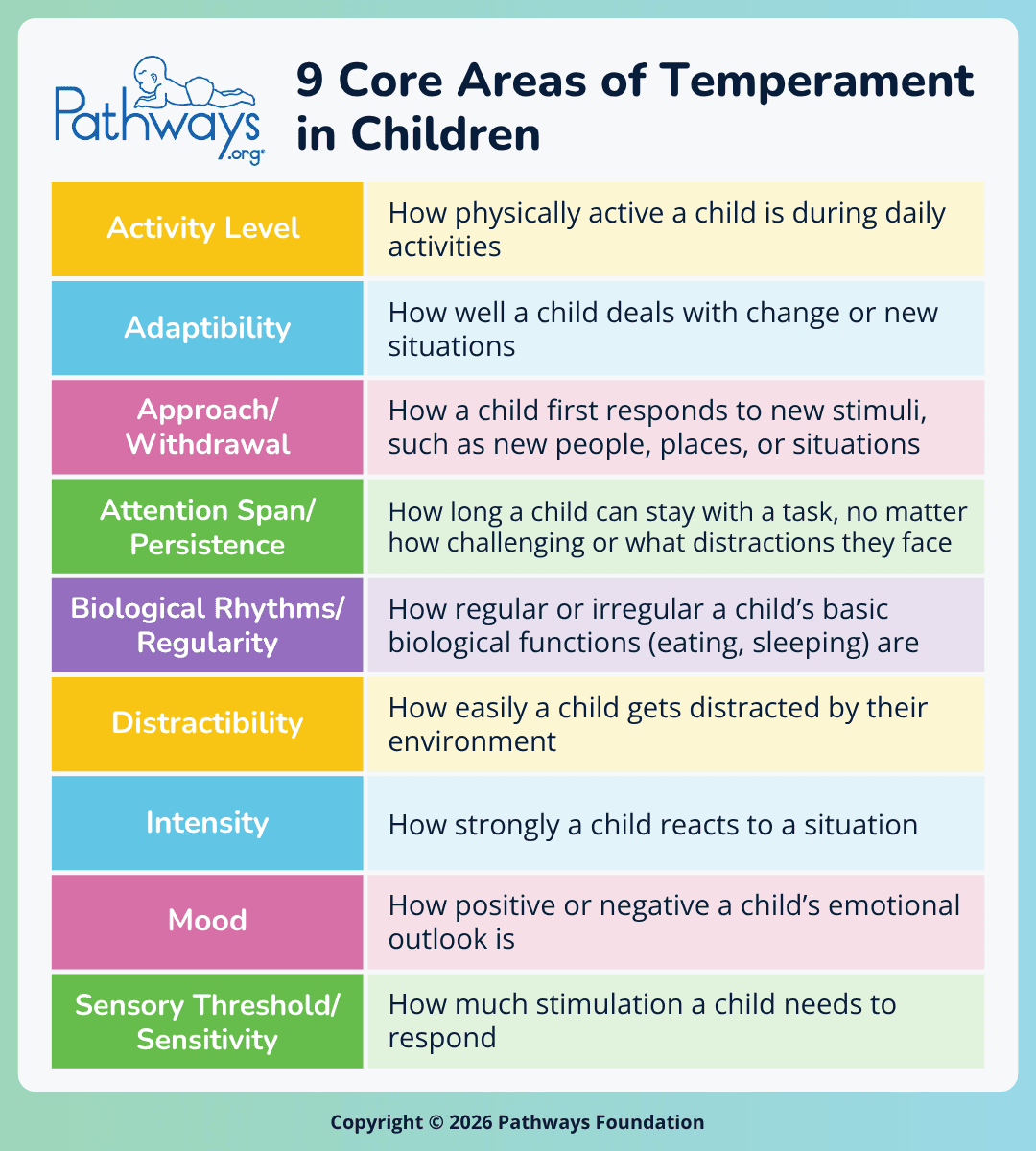
9 Core Areas of Temperament in Children
Nine characteristics make up a child’s temperament. Each of these factors lies on a spectrum, meaning your child may not always be at one extreme or the other, but rather somewhere in the middle.
1. Activity Level
How physically active a child is during daily activities
Children with high activity levels may be fidgety or restless (”bouncing off the walls”) and prefer high-energy activities, while those with low activity levels have less energy, making them prefer calmer activities and allowing them to sit still more easily.
2. Adaptability
How well a child deals with change or new situations
Highly adaptable children may easily transition from one activity to another and adjust well to life changes, like starting preschool or getting a new sibling. Children who are slow to adapt might need more preparation and encouragement to adjust to these changes.
3. Approach/Withdrawal
How a child first responds to new stimuli, such as new people, places, or situations
Approaching children are bolder and more adventurous in response to newness (e.g., they are quick to make friends with new kids at the park). Withdrawing children may be uncomfortable with newness or need more time to warm up (e.g., they may watch kids from the sidelines before deciding to play with them).
4. Attention Span/Persistence
How long a child can stay with a task, no matter how challenging or what distractions they face
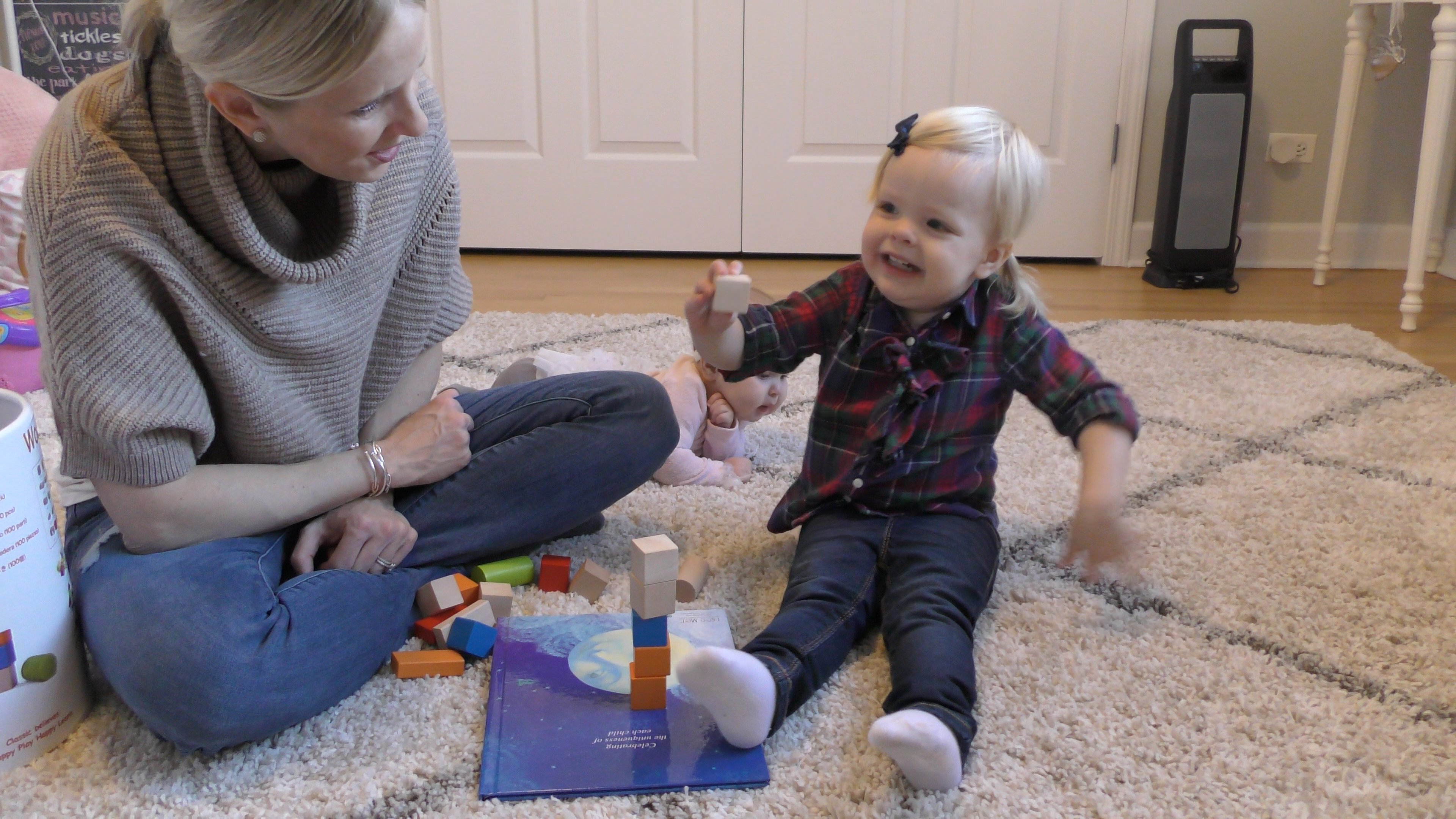
Children with high persistence keep working at a task, using problem-solving skills to overcome challenges and not giving up easily (e.g., they stick to their goal of making the highest block tower, even if it tumbles down a few times). Children with low persistence may want to switch tasks as soon as they become difficult or boring.
5. Biological Rhythms/Regularity
How regular or irregular a child’s basic biological functions (eating, sleeping, toileting) are
Children with more regular biological rhythms might eat, nap, and go to the bathroom around the same time every day, while children with irregular biological rhythms don’t follow a predictable schedule.
6. Distractibility
How easily a child gets distracted by their environment
A child with high distractibility has difficulty blocking out background stimuli. The smallest disruptions pull their focus from the task at hand. A child with low distractibility can focus with ease, staying “in the zone” even in noisy environments.

7. Intensity
How strongly a child reacts to a situation
Children with high intensity have more dramatic reactions to both positive and negative situations, no matter how significant they are. They may have outbursts when something small doesn’t go their way, or be very excitable when they hear good news. Children with low intensity have more subtle or lukewarm reactions that can make it hard to know how they’re feeling.
8. Mood
How positive or negative a child’s emotional outlook is
While children can have shifting positive and negative moods, they may lean one way most of the time. A child with an overall positive mood may be easy to please, stay optimistic in difficult situations, and appear bubbly during interactions with others. A child with an overall negative mood may be less agreeable and appear glum or unenthusiastic toward others. They may have a harder time showing positive feelings outwardly, but it doesn’t mean they aren’t happy!
9. Sensory Threshold/Sensitivity
How much stimulation a child needs to respond
A child with a low threshold notices stimuli (like a tap on the shoulder or background noise) quickly and may get overwhelmed easily, while one with a high threshold needs stronger or more input to react. Learn more about sensory thresholds (and the four sensory profiles) here!
Supporting Your Child’s Temperament
Supporting your child’s unique temperament is all about adjusting your expectations and being responsive to their individual needs. For example, if your child has a high activity level, give them extra play time to burn off their energy. If they are slow to adapt to new situations, like their first day of school, they might benefit from doing a few practice runs.
No matter what kind of temperament your child has, remember that it’s what makes them special. Embracing their uniqueness and giving them support where it’s needed can do wonders for your parenting relationship and their overall well-being.
Sources
American Academy of Pediatrics. “Understanding Your Child’s Temperament: Why It’s Important.” HealthyChildren.Org, 23 Jan. 2024, https://www.healthychildren.org/English/ages-stages/gradeschool/Pages/How-to-Understand-Your-Childs-Temperament.aspx. Accessed 8 June 2026.
American Academy of Pediatrics. “Your Baby’s Temperament.” HealthyChildren.Org, 31 Dec. 2021, https://www.healthychildren.org/English/ages-stages/baby/Pages/Babys-Temperament.aspx. Accessed 8 June 2026.
Hill, David L, and Tanya Altmann. Caring for Your Baby and Young Child: Birth to Age 5. 8th ed., American Academy of Pediatrics, Oct. 2024,
https://publications.aap.org/aapbooks/book/768/Caring-for-Your-Baby-and-Young-Child-Birth-to-Age. Accessed 8 June 2026.
PennState Extension. “Temperament – What Is It?” Better Kid Care (Penn State Extension), 2016, https://extension.psu.edu/programs/betterkidcare/early-care/tip-pages/all/temperament-2013-what-is-it. Accessed 8 June 2026.
Rymanowicz, Kylie. “The Nine Traits of Temperament.” Michigan State University Extension, 18 Oct. 2017, https://www.canr.msu.edu/news/the_nine_traits_of_temperament. Accessed 8 June 2026.
Saudino, Kimberly J. “Behavioral Genetics and Child Temperament.” Journal of Developmental and Behavioral Pediatrics : JDBP, vol. 26, no. 3, 26 June 2005, pp. 214–223. PMC PubMed Central, https://www.ncbi.nlm.nih.gov/pmc/articles/PMC1188235/, 10.1097/00004703-200506000-00010. Accessed 8 June 2026.
Schlozman, Steven, et al. “The Role of Temperament.” The Clay Center for Young Healthy Minds, 5 Sept. 2014, https://www.mghclaycenter.org/parenting-concerns/infants-toddlers/role-temperament/. Accessed 8 June 2026.
Ursache, Alexandra, et al. “Emotional Reactivity and Regulation in Infancy Interact to Predict Executive Functioning in Early Childhood.” Developmental Psychology, vol. 49, no. 1, 12 May 2012, pp. 127–137. PMC PubMed Central, 10.1037/a0027728. Accessed 8 June 2026.