My Toddler Never Crawled. Now What?
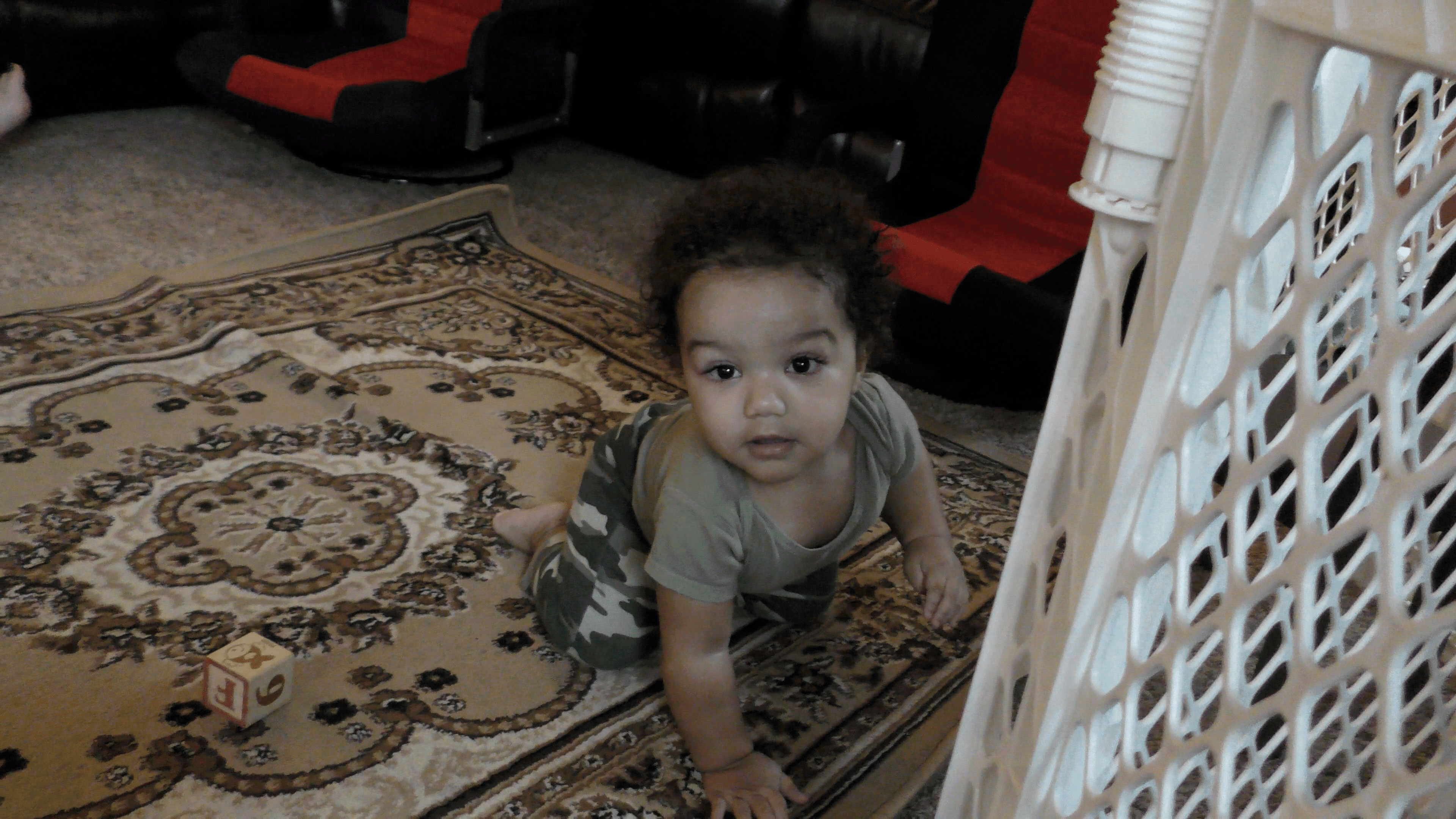
The American Academy of Pediatrics and pediatric therapists encourage crawling in babies because it supports so many areas of development at once.
It's never too late to encourage crawling. Even confident walkers can benefit from time on hands and knees for bilateral coordination, sensory processing, core strength, brain development, and more.
From obstacle courses to animal walks to wheelbarrow races, there are plenty of fun, equipment-free ways to get your toddler moving on all fours.
Did your toddler skip crawling and go straight to walking? Maybe they found their own way to get around first, like scooting or army crawling, before deciding two feet was the faster option. Either way, you might be wondering: Does crawling still matter once your toddler is already walking? The short answer is yes—and it’s never too late to encourage it!
Crawling is still a wonderfully beneficial motor skill for toddlers. Read on to find out why it's worth encouraging, and how to make it fun.
Why do some babies skip crawling?
Some babies skip classic crawling altogether, while others might go back to it after they’ve started walking. There are several reasons why this can happen:
They preferred another method to move on their own. Some babies simply enjoy rolling, scooting, or other non-traditional forms of crawling to get around.
They didn’t have the muscle strength. Babies who don’t enjoy Tummy Time or spend lots of time in infant containers might miss out on essential floor exploration that builds the muscles needed for crawling.
They were born prematurely and/or have medical issues. Preterm babies often follow a different developmental timeline than babies who were born full term. Medical issues can make crawling difficult or uncomfortable.
They have motor-related conditions. Babies with conditions such as hypotonia or hypertonia can have a harder time with crawling and other gross motor movements.
Their weight was above average for their age. A heavier baby can have a harder time carrying their weight when getting up on their hands and knees.
They have more leg strength than the average baby. Babies who naturally have stronger legs or those who exercise them often, such as during supported standing activities, might be motivated to put their strength to the test with early independent standing and walking.
They were simply more motivated to get up on their feet. Some babies see caregivers or other children walking and think, “I want to do that!” They may go right from sitting to pulling to stand, cruising, and walking.
Does it matter if my toddler skipped crawling?
The American Academy of Pediatrics (AAP) states that skipping crawling is not typically a cause for concern on its own. What’s most important is that your child found alternate ways to move before walking, they can coordinate each side of their body equally, and they are developing in other ways as expected.
That said, the AAP and pediatric therapists still encourage crawling because it supports so many areas of development at once, including fine and gross motor skills, bilateral coordination, sensory processing, executive function, and brain development. This is why we at Pathways.org still recognize crawling as a 6-9 month motor milestone.
Is it too late to encourage my toddler to crawl?
No, it’s never too late to encourage crawling! Your child can still reap the benefits of crawling as a toddler. In fact, many pediatric physical and occupational therapists use crawling exercises for kids of all ages to help with everything from full-body strength to handwriting skills. There’s also a chance your toddler will naturally try out crawling after they’ve started walking; they simply need more time and encouragement than other babies do.
Fun Ways to Get Your Toddler Crawling
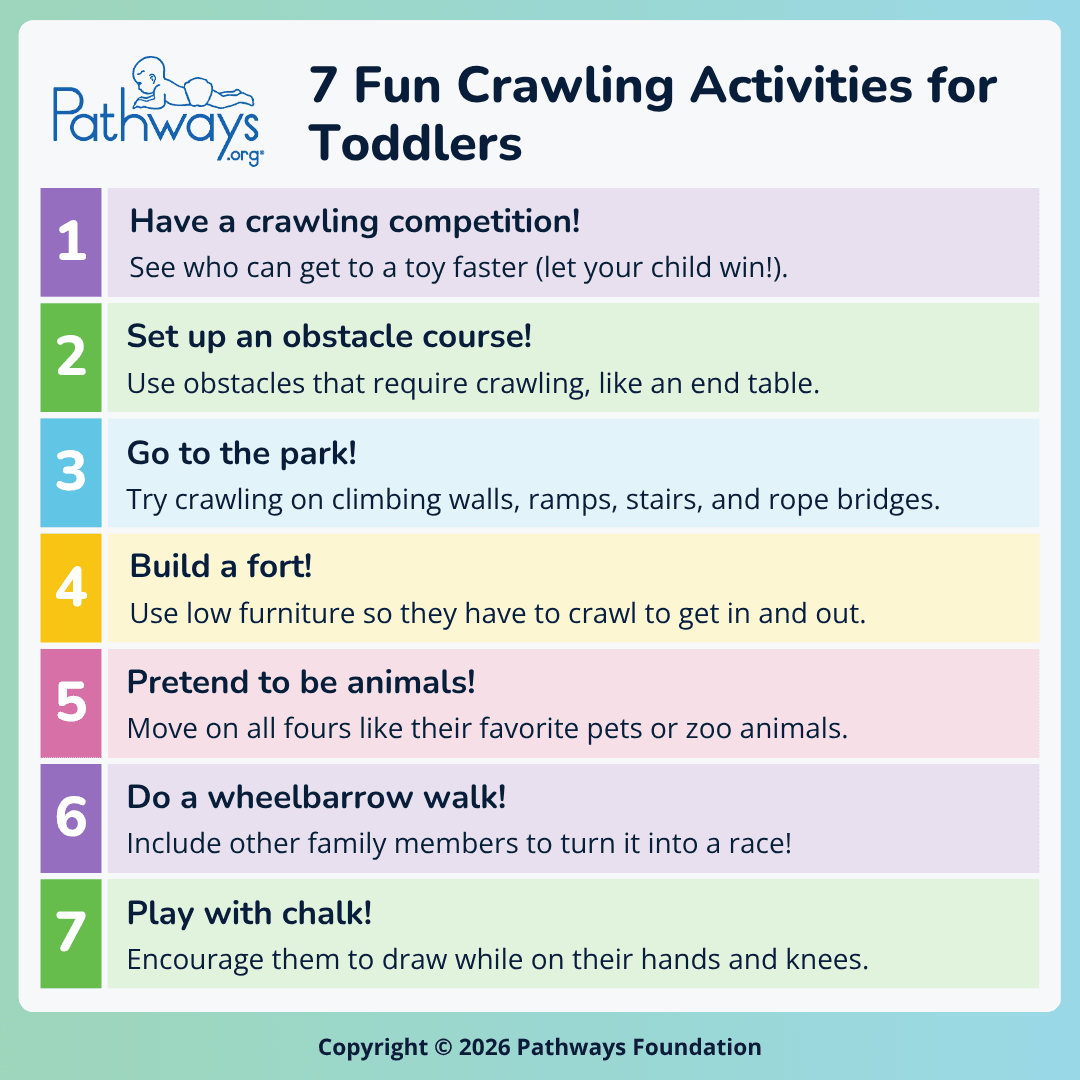
There are many fun activities you can do to get your toddler moving on their hands and knees or simulate the benefits of crawling in other ways. Try these crawling activities and alternatives (no equipment required!):
Have a crawling competition! Get down on the floor with your child and move in sync with them. When they move their right arm forward, you move your right arm forward. Make it into a fun game to see who can move to get a toy faster (let them win!). Involve any older siblings, too!
Set up an obstacle course! Use obstacles that your toddler needs to crawl through, like a play tunnel or an end table. Your obstacle course can still encourage other forms of movement (e.g., standing, walking, or climbing), but just make sure they have the opportunity to get down on all fours.
Go to the park! Some playgrounds include mini climbing walls. If your toddler has started climbing (around 18 months), this is a fun way to encourage alternating arm-and-leg movement. Just be sure to stand nearby with your arms ready to catch them if they lose their footing. Ramps, stairs, and rope bridges are great for climbing, too!
Build a fort! Use low furniture like dining room chairs and tables for the entrance so your toddler has to crawl to get in and out.
Pretend to be animals! Does your toddler have a favorite animal that walks on all fours? Try moving like them! Horses, dogs, cats, or animals they see at the zoo (lions, tigers, bears) are all great options to try. Your toddler can crawl on hands and knees or hands and feet (the classic bear walk), whichever they prefer!
Do a wheelbarrow walk! Hold your toddler up by the ankles, while their hands are planted on the floor. Encourage them to use alternating arm movements to propel themselves forward. Include other family members to turn it into a race!
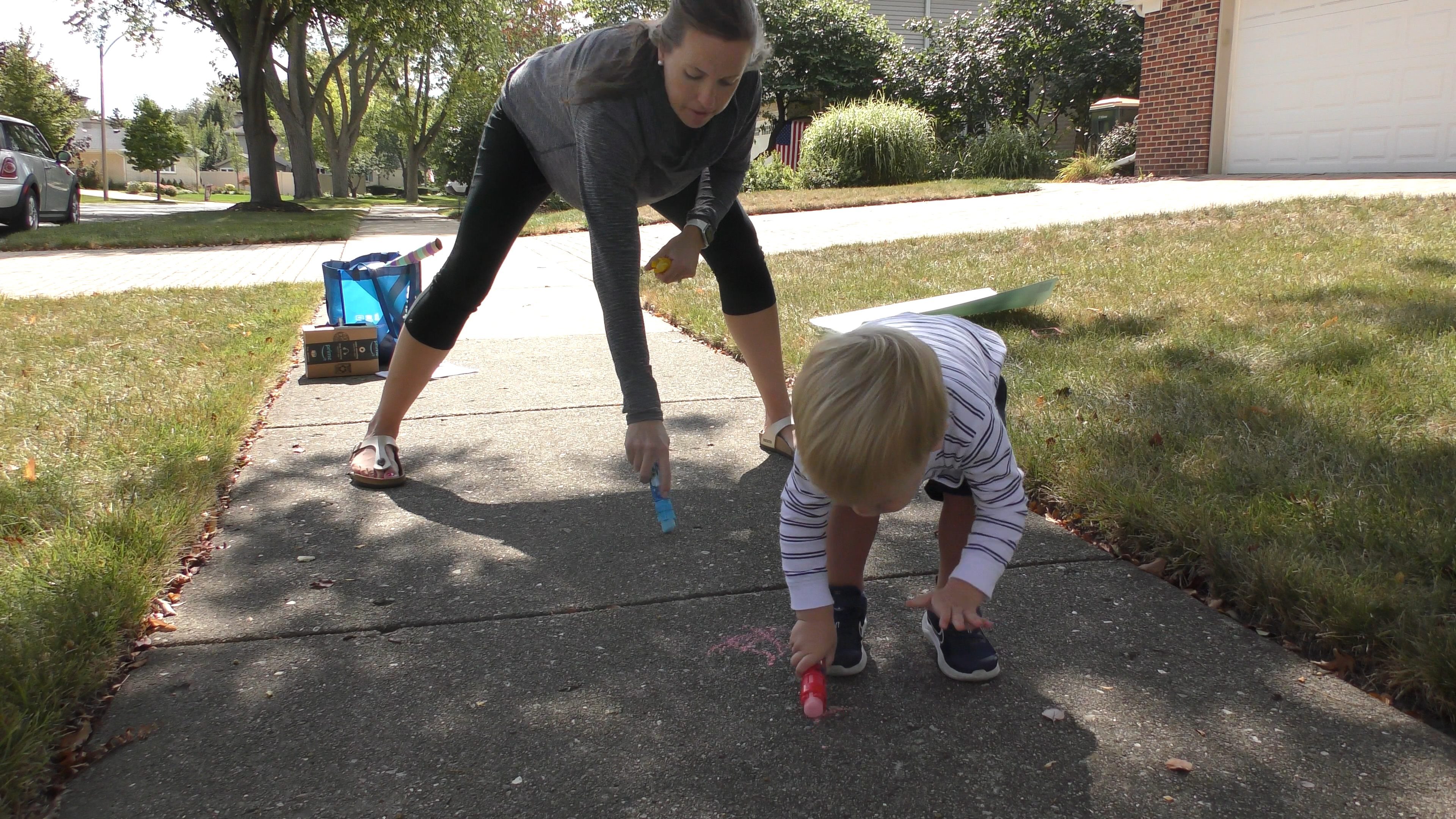
Play with chalk! Get outside and get creative with a bucket of chalk and a stretch of pavement. Instead of sitting, encourage your toddler to draw while on their hands and knees.
Toddlers don't know they're doing developmental work when they're crawling through tunnels, walking like bears, or racing a parent across the living room floor. They just know it's fun, and that’s the point! So pick an activity and get on all fours with them. A little floor time each day goes a long way!
Sources
American Academy of Pediatrics. “Movement: 8 To 12 Months.” HealthyChildren.Org, 7 Apr. 2021, https://www.healthychildren.org/English/ages-stages/baby/Pages/Movement-8-to-12-Months.aspx. Accessed 19 June 2026.
Campbell, Jen. “Why Crawling Is Important for Your Baby.” Nationwide Children’s, Aug. 2025, https://www.nationwidechildrens.org/family-resources-education/700childrens/2016/11/why-crawling-is-important-for-your-baby. Accessed 19 June 2026.
Child Development Institute. Crawling: A Developmental Adventure. 2 Apr. 2016, https://cdikids.org/child-development/crawling-a-developmental-adventure/. Accessed 19 June 2026.
Hill, David L, and Tanya Altmann. Caring for Your Baby and Young Child: Birth to Age 5. 8th ed., American Academy of Pediatrics, Oct. 2024, https://publications.aap.org/aapbooks/book/768/Caring-for-Your-Baby-and-Young-Child-Birth-to-Age. Accessed 6 Aug. 2026.
Kretch, Kari S, et al. “Early Mobility and Crawling: Beliefs and Practices of Pediatric Physical Therapists in the United States.” Pediatric Physical Therapy, vol. 36, no. 1, 1 Jan. 2024, pp. 9–17. PMC PubMed Central, https://pmc.ncbi.nlm.nih.gov/articles/PMC10873088/, 10.1097/pep.0000000000001063. Accessed 19 June 2026.
Zero to Three. Steps Toward Crawling: A Look at the Many Ways Babies Get Moving. 4 May 2025, https://www.zerotothree.org/resource/steps-toward-crawling/. Accessed 19 June 2026.