4 Ways to Help Prevent Positional Plagiocephaly and Positional Torticollis in Infants
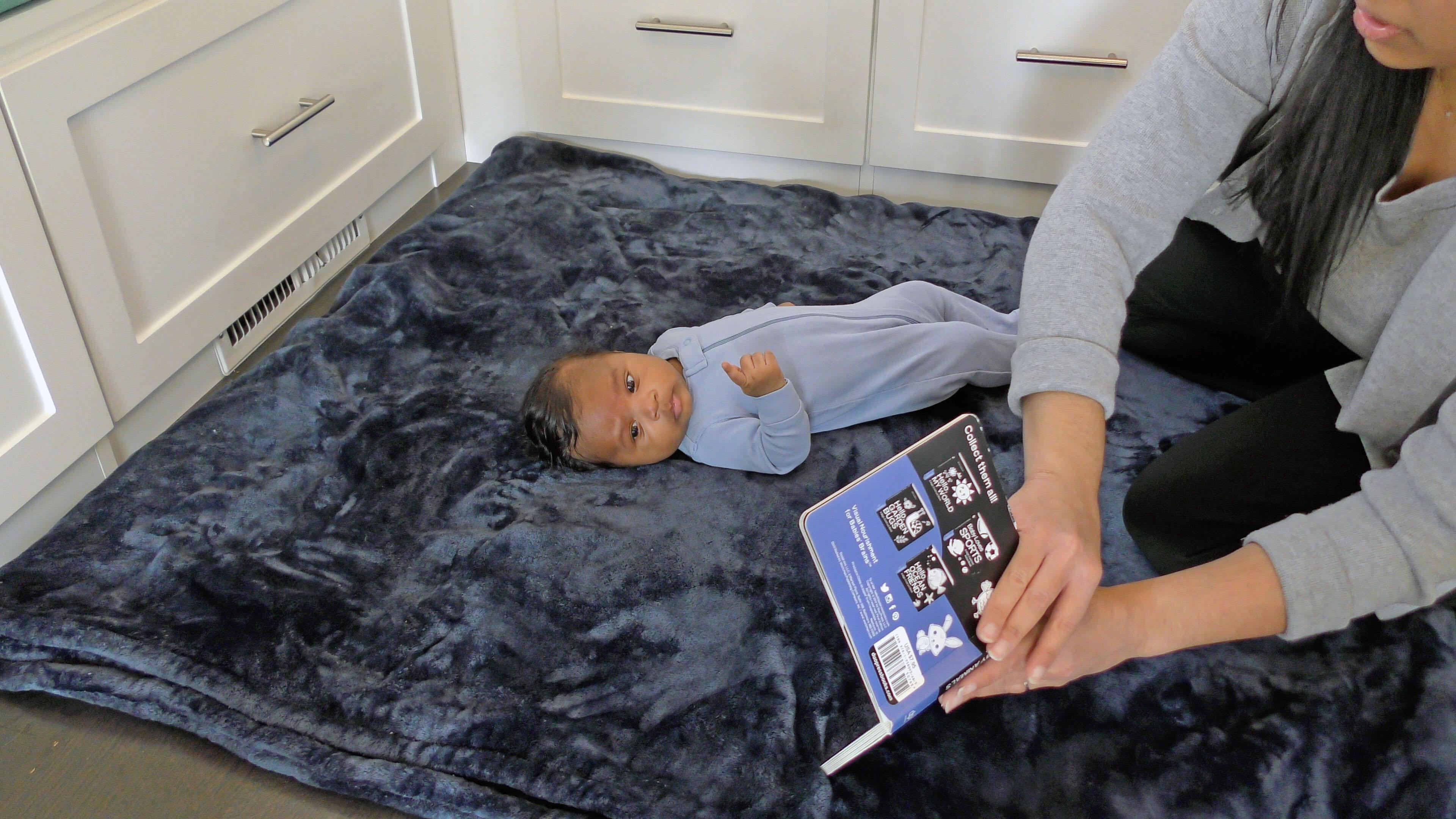
Most typically developing babies can avoid flat spots and tight neck muscles after birth with simple daily habits.
Lots of Tummy Time, limiting container use, regularly switching Baby's position, and encouraging head turning to both sides during play are key to preventing positional plagiocephaly and positional torticollis.
Already diagnosed? There are plenty of activities you can do to support Baby’s treatment.
If you’re reading this, you’ve probably heard about positional plagiocephaly or positional torticollis at the doctor’s office or from the parenting videos that flash across your social media feed. Sometimes called “flat head syndrome” and “wryneck”, these terms describe two very common infant conditions affecting millions of babies every year.
For most typically developing babies who aren’t born with positional plagiocephaly or positional torticollis, these conditions can be very preventable. And it starts with simple habits you can easily fit into Baby’s routine.
What does prevention for infant torticollis and positional plagiocephaly look like?
Because positional plagiocephaly and positional torticollis can sometimes cause one another, prevention for both looks the same: lots of Tummy Time, less time in containers, changing Baby's position often, and encouraging head turning to both sides during play.
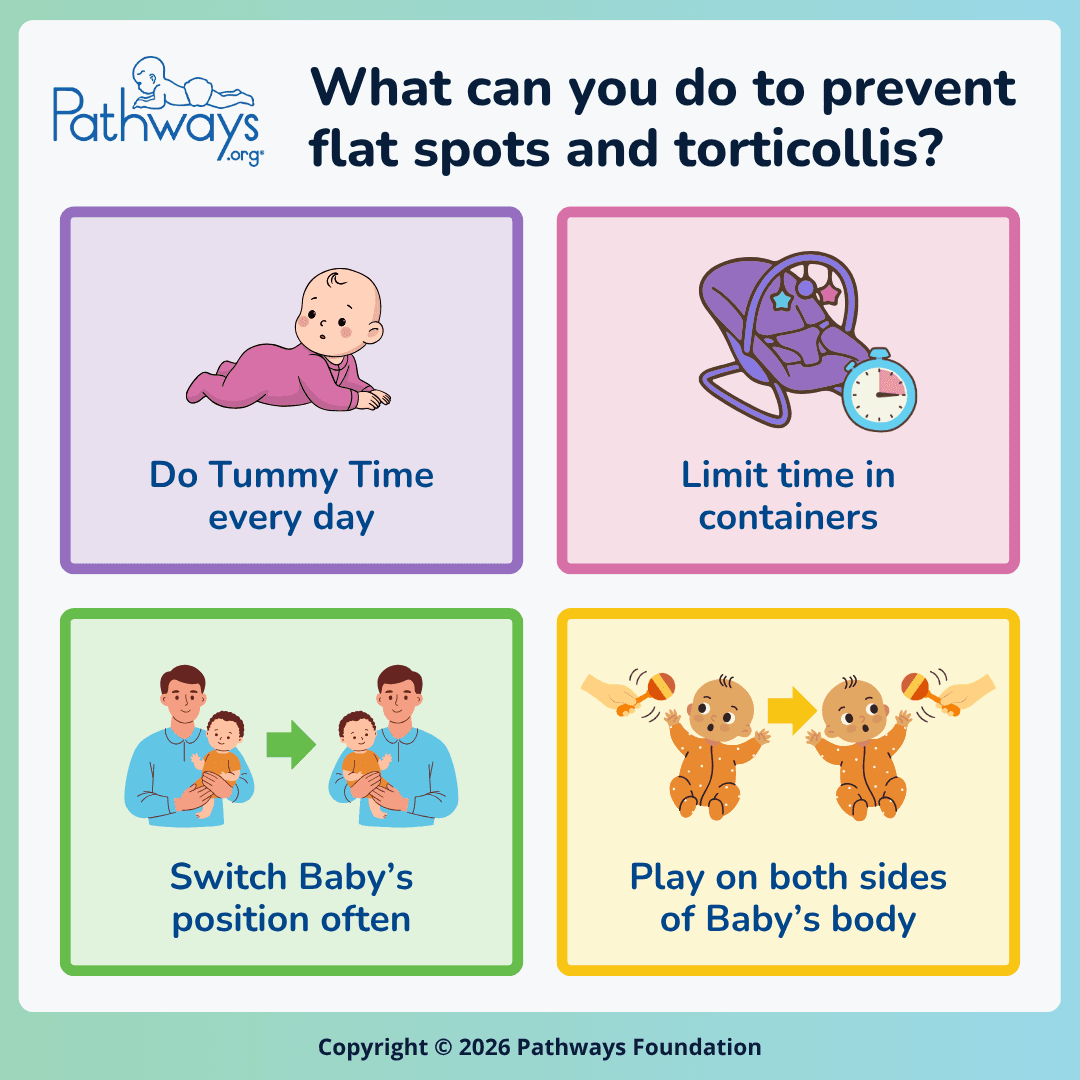
1. Daily Tummy Time
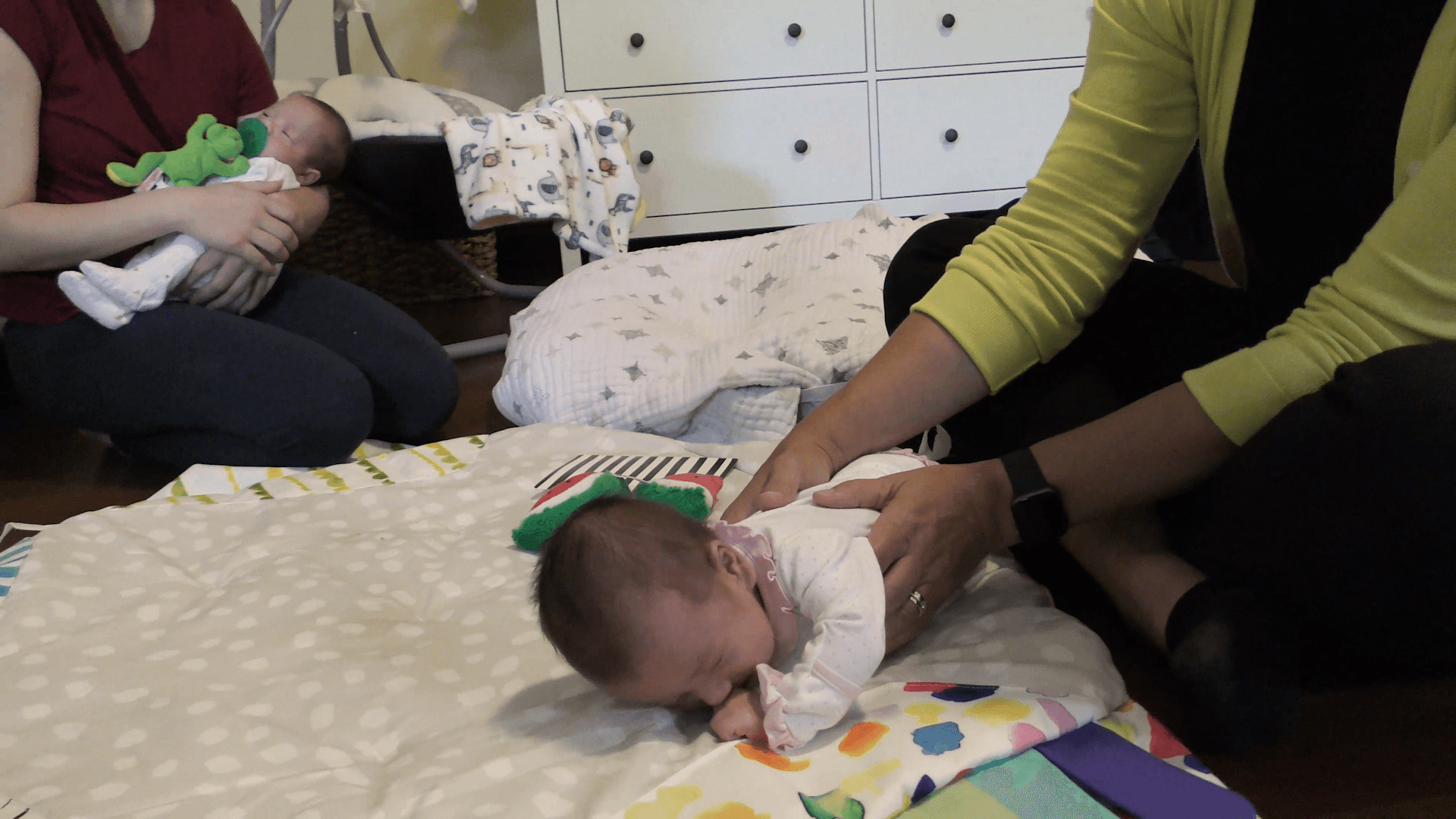
Tummy Time gives Baby's head a break from pressure and builds the strength to move it freely. It’s one of the best things you can do to prevent flat spots and torticollis! Babies can start daily Tummy Time as soon as they are born, but it doesn’t have to be on the floor right away. Do short sessions with Baby held tummy-to-tummy or on your lap, then work up to floor time. Aim for 30 minutes of Tummy Time a day by 2 months and 60 minutes by 4 months. Our Tummy Timer can help you keep track. Every little bit helps!
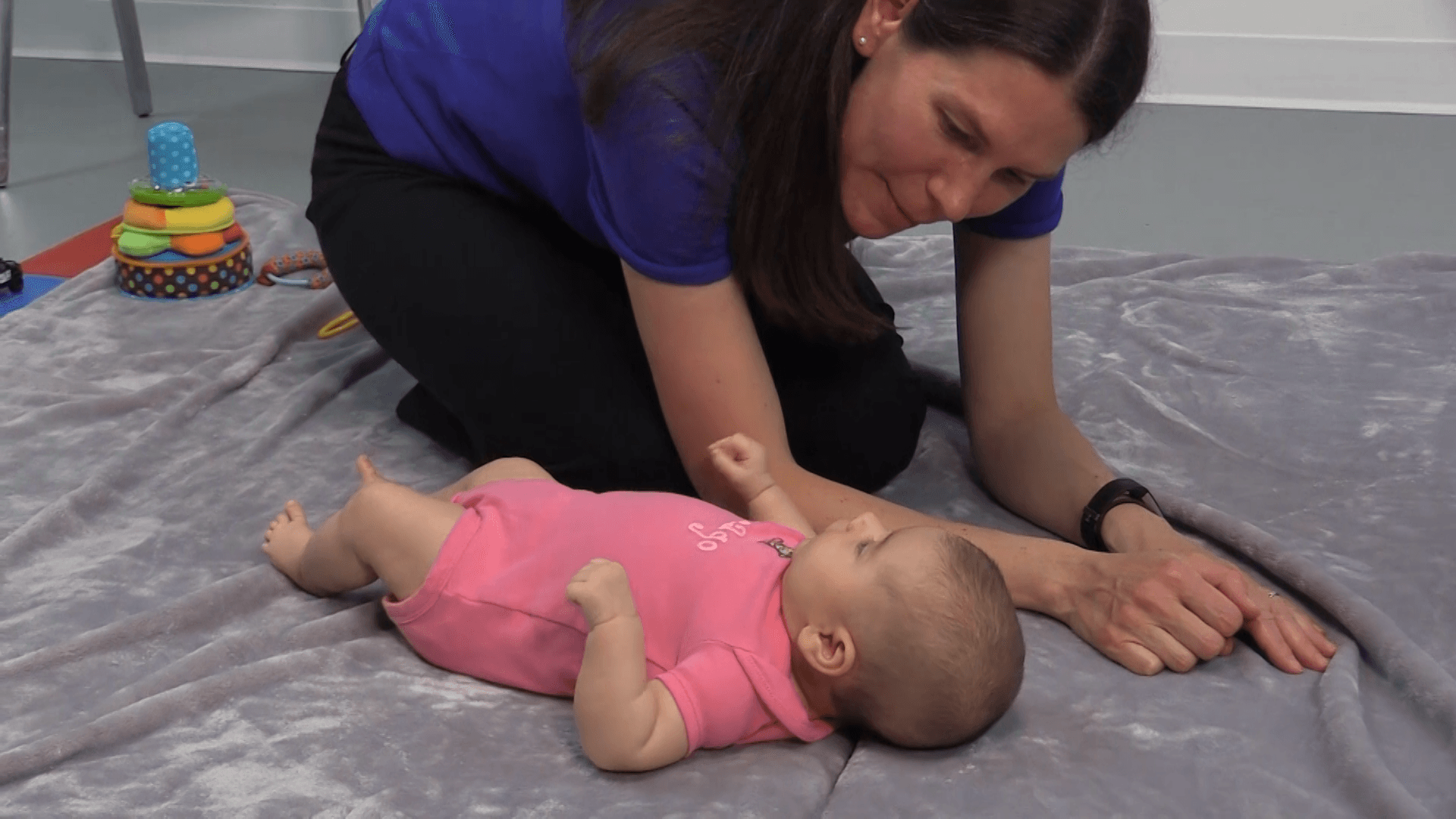
See 4 newborn Tummy Time positions in the video below!
2. Limiting Time in Infant Equipment
Car seats, strollers, and other baby containers can be a helpful (and sometimes necessary!) part of your routine. However, these press on the same spots of Baby’s head every time. Save infant equipment for when you really need it, such as during car rides or long stroller walks.
Babywearing is a great alternative to swings and bouncers when you need your hands free. It doesn't restrict head movement or add pressure to Baby's head the way these containers do. Just be sure to use safe positioning and occasionally switch the side you carry Baby on (for sling or hip carriers) or the direction their head faces if they prefer resting it to one side.
3. Switching Baby’s Position Often
Do you tend to carry Baby over the same shoulder or place them in their crib or changing table the same way every time? Simply switch it up! We call this little trick the Baby 180°. 180° means a half turn, or turning around so you’re facing the opposite direction.
Regularly changing Baby’s position during everyday activities like sleep, feeding, and play keeps them from always facing the same way and developing a preference for one side. This is important for preventing both flat spots and tight neck muscles.
Watch this video to learn more about the Baby 180°!
4. Playing on Both Sides of Baby’s Body
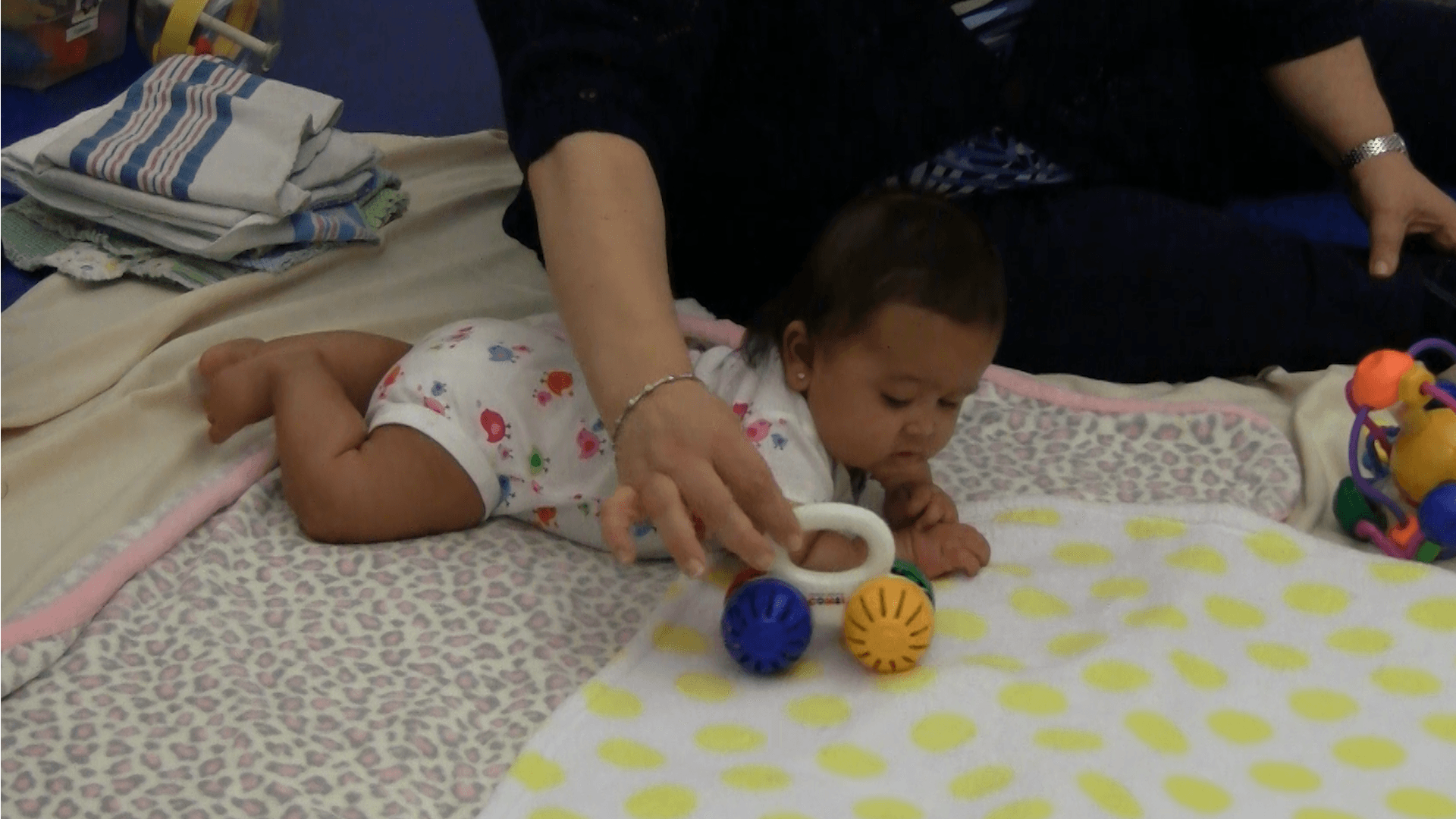
During floor time, make sure Baby turns their head in both directions. Engage them with a toy, mirror, or your face on one side of their body for the first half of play, then switch to the other side. This helps prevent positional torticollis because Baby will evenly engage their neck muscles instead of always using one side, which can cause the neck muscles there to tighten.
Use high-contrast toys that make sound or try a sing-song voice to hold their attention.
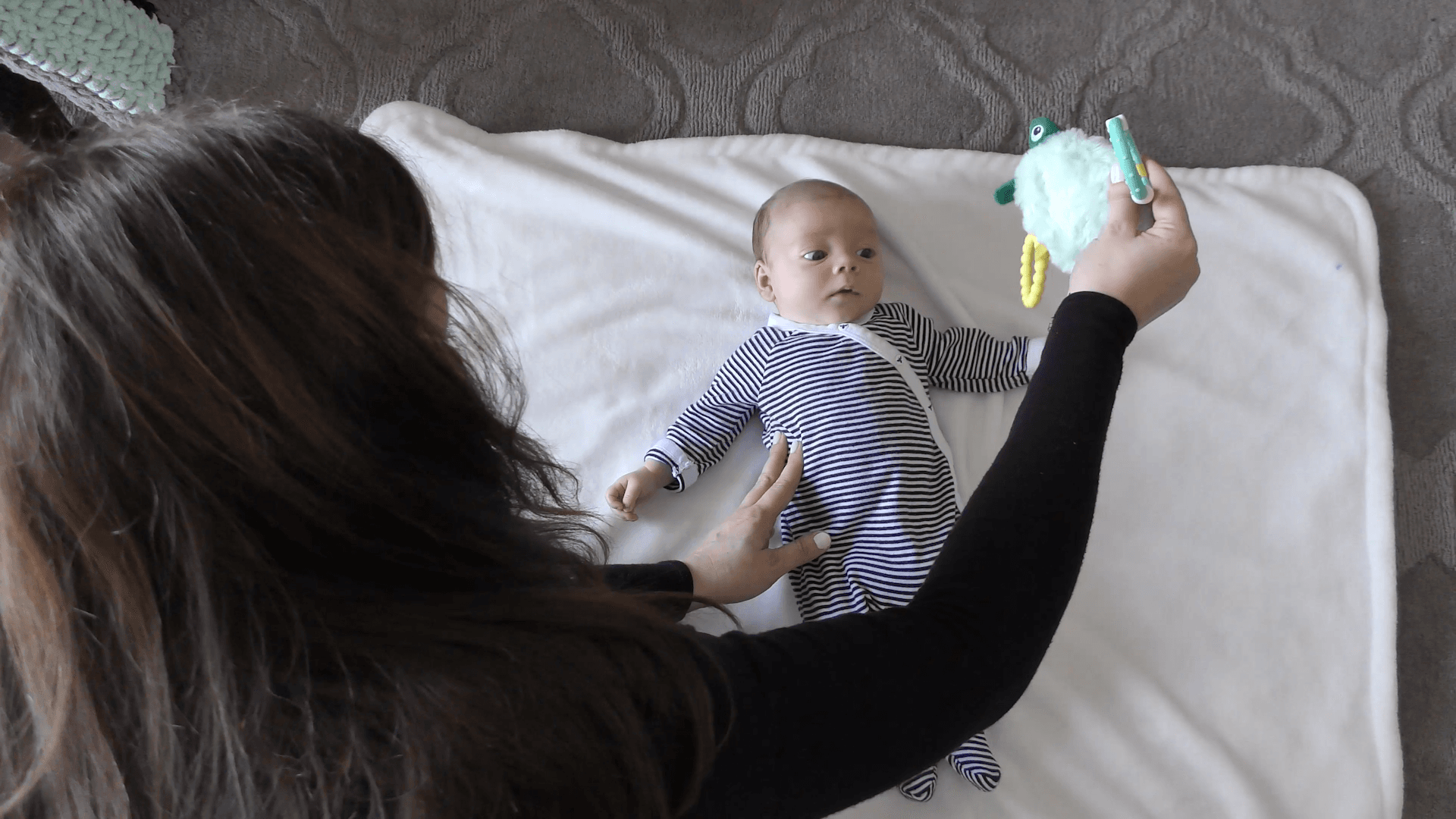
Bonus activity: Slowly move Baby’s favorite toy from one side of their body to the other while they follow it with their eyes to encourage head turning and help with visual tracking (a 2-month sensory milestone!). See what this looks like in the video below! You can hold down the shoulder opposite of the direction Baby will be looking to help get a full motion.
My Baby Has Flat Spots or Torticollis — What can I do to help?
It can feel nerve-wracking waiting for your little one to get treatment. Whether your first appointment is far out or you’re looking for ways to support Baby’s treatment between visits, there’s plenty you can do to help Baby make progress at home! Paired with the tips above, try these baby games from our Play page:


Sources
Ann & Robert H. Lurie Children's Hospital of Chicago. “Torticollis Physical Therapy & Treatment.” www.luriechildrens.org/en/specialties-conditions/physical-therapy-for-torticollis/. Accessed 20 Aug. 2026.
Ballardini, Elisa et al. “Prevalence and characteristics of positional plagiocephaly in healthy full-term infants at 8-12 weeks of life.” European journal of pediatrics vol. 177, no. 10, Oct. 2018, pp. 1547-1554. https://doi.org/10.1007/s00431-018-3212-0. Accessed 20 Aug. 2026.
Filisetti, Monica, et al. “Positional Plagiocephaly from Structure to Function: Clinical Experience of the Service of Pediatric Osteopathy in Italy.” Early Human Development, vol. 146, July 2020. https://doi.org/10.1016/j.earlhumdev.2020.105028. Accessed 20 Aug. 2026.
Jung, Bok Ki, and In Sik Yun. “Diagnosis and Treatment of Positional Plagiocephaly.” Archives of Craniofacial Surgery, vol. 21, no. 2, 20 Apr. 2020, pp. 80–86. https://doi.org/10.7181/acfs.2020.00059. Accessed 20 Aug. 2026.
Mawji, Aliyah et al. “Risk factors for positional plagiocephaly and appropriate time frames for prevention messaging.” Paediatrics & child health vol. 19, no. 8 (2014): 423-7. https://doi.org/10.1093/pch/19.8.423. Accessed 20 Aug. 2026.
Price, Angela. “Positional Plagiocephaly.” American Association of Neurological Surgeons, 30 Apr. 2024, www.aans.org/patients/conditions-treatments/positional-plagiocephaly/. Accessed 20 Aug. 2026.