How to Use Deep Pressure to Calm Babies, Toddlers, and Kids
-Ohw6Ac.jpg&w=3840&q=75)
Deep pressure uses firm touch, squeezing, or weight to help calm and ground the body.
It’s especially helpful for children with sensory processing differences who crave extra tactile input, but anyone can benefit from its calming effects.
Simple activities, from swaddling to playtime squeezes, can help babies, toddlers, and kids feel more secure and regulated.
Got a fussy baby, a toddler in full meltdown mode, or a kid who just can’t sit still? Deep pressure might help! It’s a simple calming technique that uses firm touch, weight, or gentle squeezing to help the body feel grounded and secure.
You may already be using deep pressure without even realizing it! Swaddling your crying baby or giving your upset child a big snuggly hug both provide that “grounded” feeling they need to calm down.
How does deep pressure work?
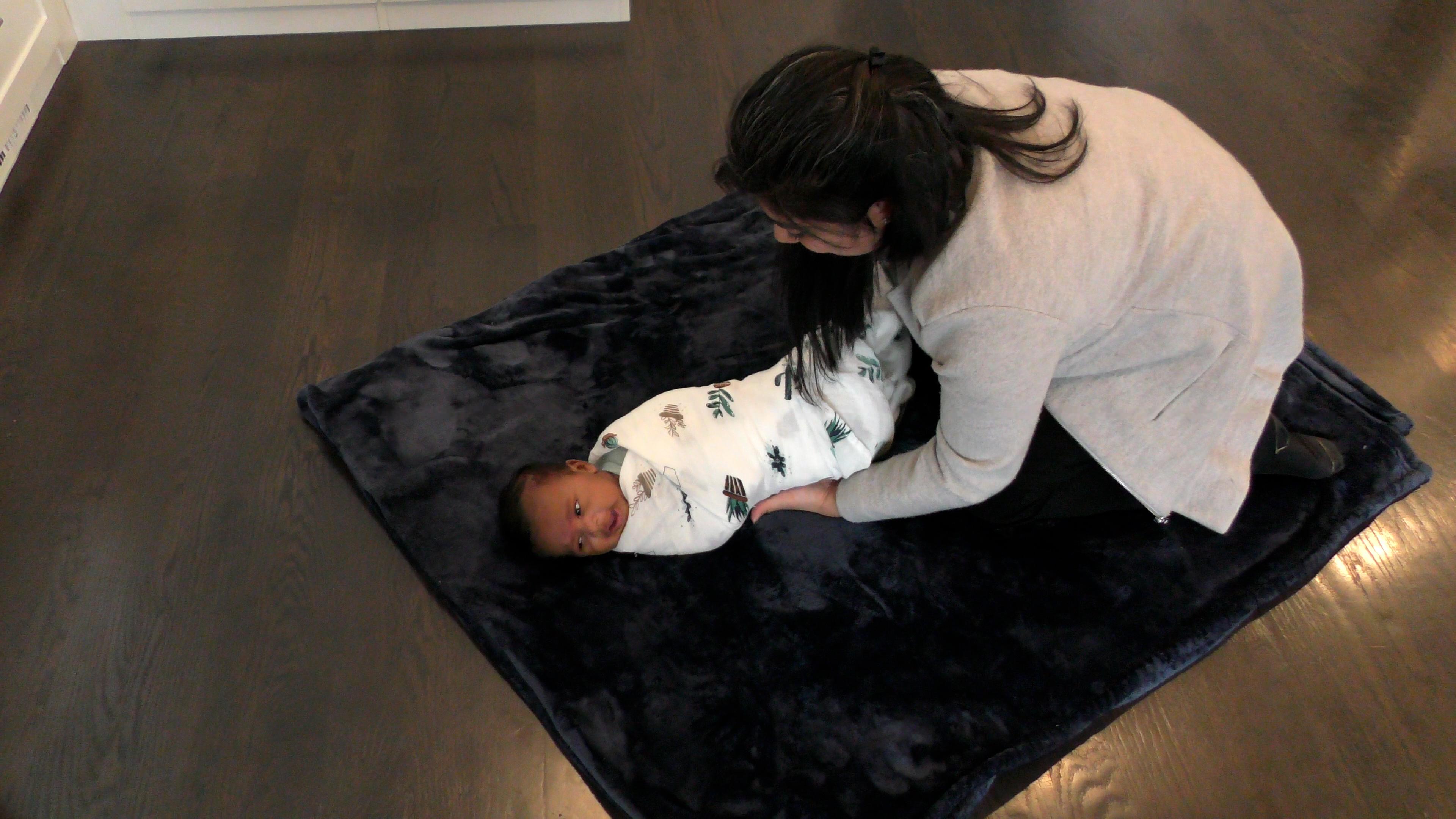
Deep pressure gives the body important sensory feedback through firm touch and proprioception (the sense that tells us where our body is in space). When the brain receives this input, it sends a message that it’s safe to relax. Heart rate slows, breathing deepens, and muscles soften.¹
That’s why a hug or massage feels so good when you’re stressed! Deep pressure can calm the nervous system, reduce anxiety, and help kids (and adults!) feel centered and secure.
Benefits of Deep Pressure
Deep pressure can help kids feel calm, focused, and secure—and studies show it’s especially helpful for children with sensory processing differences.² ³ These kids may seek out tight squeezes or rough play because their bodies crave extra tactile input to feel organized and calm. Deep pressure gives them that feedback in a safe, soothing way.
But any child can benefit! Here are a few ways it helps:
Promotes a sense of calm and happiness
Improves focus and sleep
Lowers stress and anxiety
Encourages connection and communication
Over time, helping your child learn to calm their body builds stronger self-regulation skills, smoother transitions, and greater confidence in daily life.
Using Deep Pressure for Babies, Toddlers, and Kids
Some toddlers and kids may need regular deep pressure input to help their bodies stay regulated, while others might just need it during tough moments. For infants, deep pressure can promote better sleep and soothe their cries. It’s important to be very gentle with babies, especially when doing baby massage. Your touch should be much lighter than you would use with kids.
Whether you’re comforting a crying baby, helping a toddler reset, or giving an older child a way to self-soothe, deep pressure can make a big difference! Below are simple ways to try it at home for each age group.

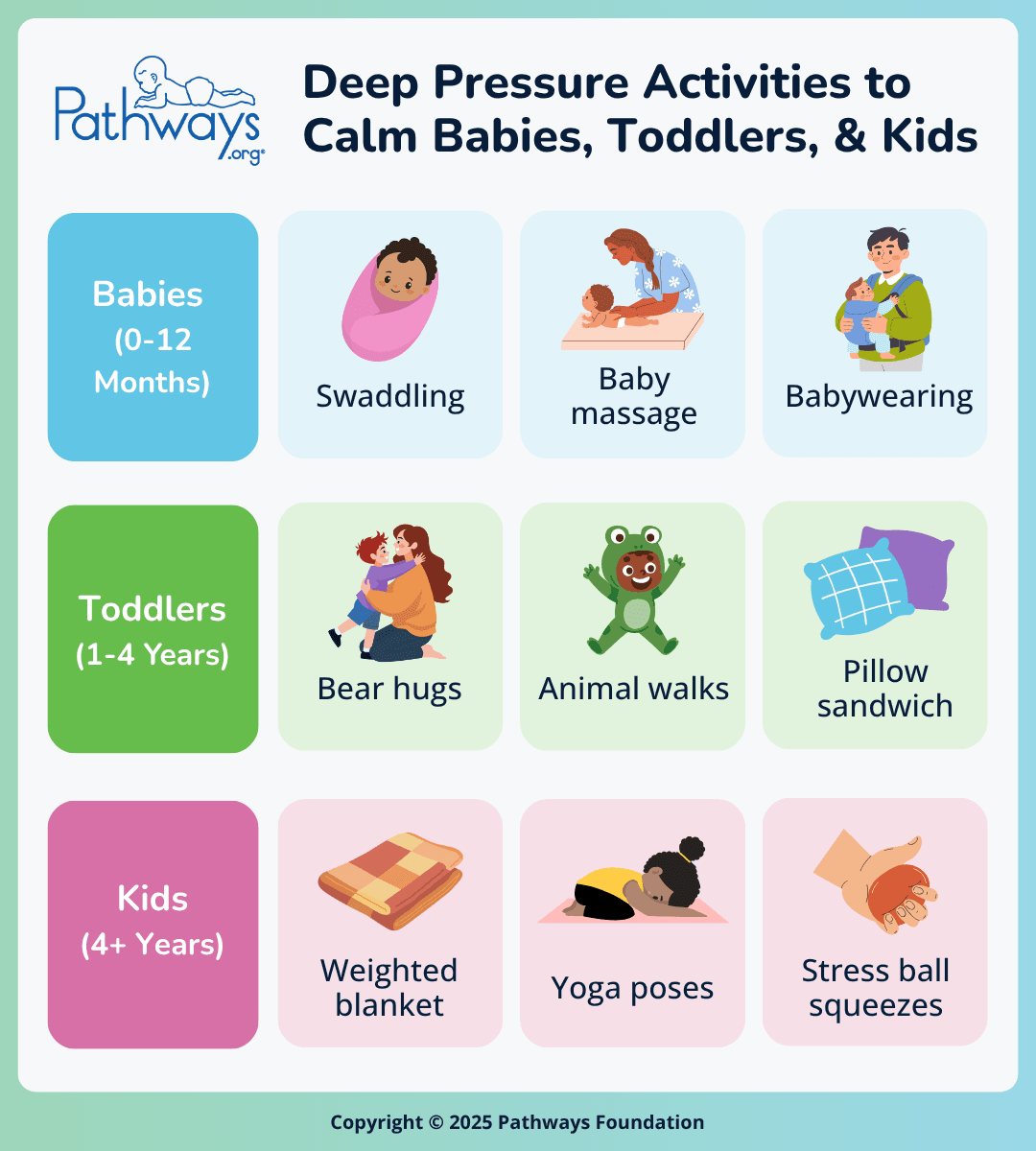
Deep Pressure Activities for Babies (0-12 Months)
Remember to be gentle and watch for cues that Baby is getting sleepy!
Wrap them in a swaddle or do skin-to-skin with a blanket over Baby
Try baby massage like Massage+ 30, 10, 5
Do daily Tummy Time to build strength and body awareness
Use babywearing to keep them close as you move through the day
Roll them tummy-down on an exercise ball while holding their sides
Bathe them with a warm washcloth draped over their shoulders (see more sensory bath activities!)
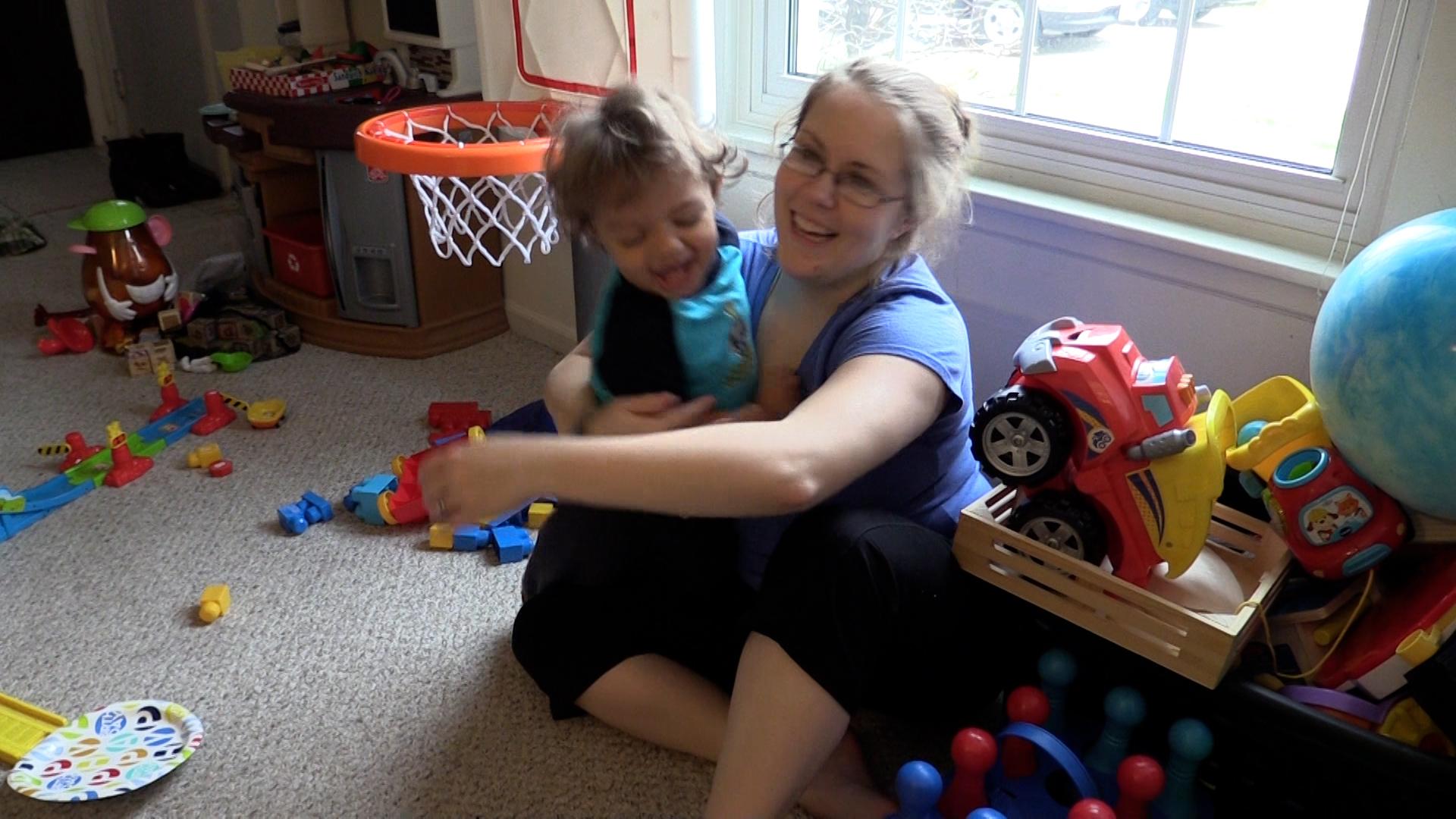
Deep Pressure Activities for Toddlers (1-4 Years)
Let your toddler take the lead! If they enjoy the activity, keep going. If not, take a break or try something else.
Give them a big bear hug
Turn them into a “blanket burrito”—do a gentle “topping” massage and roll them up!
Try fun animal walks (stomp like an elephant, slither like a snake)
Give them hand hugs or squeezes
Make a “pillow sandwich” by hugging them between pillows
Do light karate chops down their back in a rhythmic, playful way
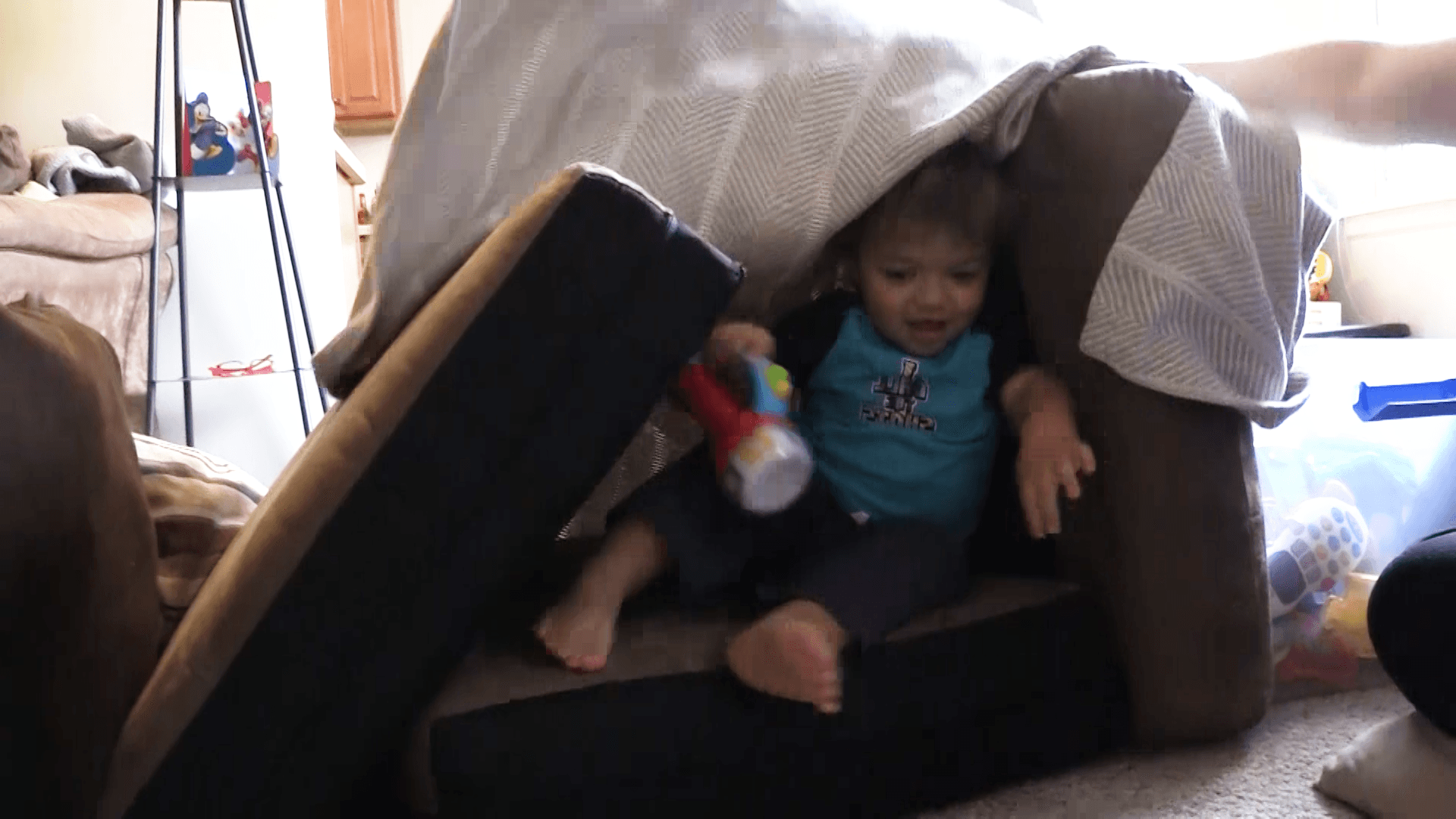
Deep Pressure Activities for Kids (4+ Years)
Keep it positive and empowering. Help your child notice how their body feels calmer afterward.
Use a weighted blanket, vest, or stuffed animal for relaxing time*
Offer a stress ball or putty to squeeze (see our DIY putty recipe!)
Try a foam roller to massage their back, arms, and legs
Do swimming pool games for full-body pressure in water
Try different stretches or yoga poses together
Let a pet rest across their lap for therapeutic animal cuddles (see more benefits of pets!)
*Supervise your child when using weighted items and stop use if they show signs of overheating or distress.
These deep pressure activities can teach your little one how to listen to their body and find their calm. To learn more about supporting your child’s sensory development, explore our Sensory page.
Sources
Center for Inclusive Child Care. “Guidelines for Use of Deep Pressure and Weighted Items in Early Childhood Programs.” Inclusivechildcare.org, 2024, www.inclusivechildcare.org/resource-library/info-module/guidelines-use-deep-pressure-and-weighted-items-early-childhood. Accessed 4 Nov. 2025.
Bestbier, Lana, and Tim I. Williams. “The Immediate Effects of Deep Pressure on Young People with Autism and Severe Intellectual Difficulties: Demonstrating Individual Differences.” Occupational Therapy International, vol. 2017, no. 1, 9 Jan. 2017, pp. 1–7, www.ncbi.nlm.nih.gov/pmc/articles/PMC5612681/, https://doi.org/10.1155/2017/7534972. Accessed 4 Nov. 2025.
Bontula, Anisha, et al. “Deep Pressure Therapy: A Promising Anxiety Treatment for Individuals with High Touch Comfort?” IEEE Transactions on Haptics, vol. 16, no. 4, 21 Dec. 2023, pp. 549–554, pubmed.ncbi.nlm.nih.gov/37141064/, https://doi.org/10.1109/TOH.2023.3272623. Accessed 4 Nov. 2025.